Turkey's Largest Audouin's Gull Colony Discovered at Gökçeada's Tuz Gölü
Çanakkale / Gökçeada (Imbros) — Turkey's largest island, Gökçeada, is making headlines in the ornithology world with a new record: studies led by Prof. Dr. Herdem Aslan from ÇOMÜ Faculty of Science, Department of Biology, have revealed that the largest colony of Audouin's gull in Turkey lives at Gökçeada's Tuz Gölü (Salt Lake). The species, classified as "vulnerable" globally, hosts its most populous breeding population on the island, exciting scientists.
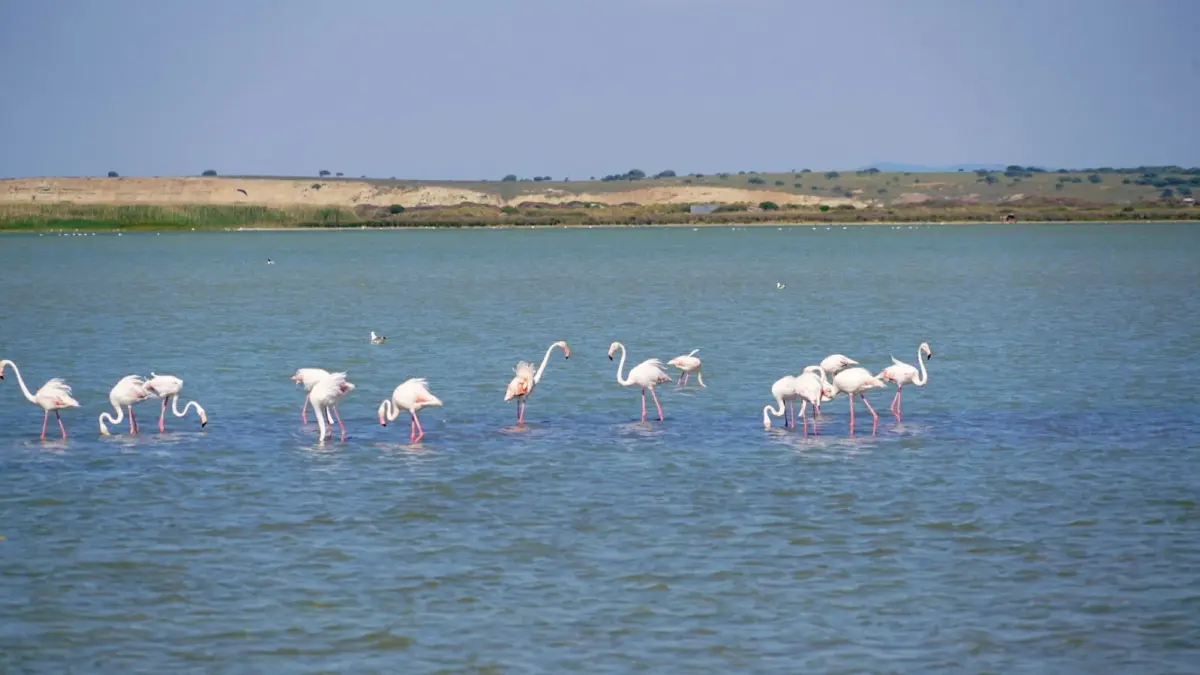
Prof. Dr. Aslan noted that flamingos are often highlighted in the island's tourism promotion, adding: "What we noticed in our study is that the largest population of the Audouin's gull, which can breed on Turkey's largest island and is healthy but globally vulnerable, lives here. We particularly emphasize this and want to draw attention."
A Wetland of National Importance: Tuz Gölü
Aslan and her team launched a project in 2023 around Gökçeada's Tuz Gölü to raise environmental awareness among the local community. This NGO project, supported by the Turquoise Coast Environment Fund, not only conducted awareness activities but also opened the door to new scientific data.
Prof. Dr. Aslan explained the importance of Tuz Gölü: "This is one of the 59 wetlands of national importance currently known in Turkey. Because Gökçeada is an island, it's a bit distant from the mainland, making it somewhat more protected under current conditions. However, some problematic situations due to human pressures have been observed around Tuz Gölü."
In the initial study launched in 2016 to investigate the area's biodiversity, the presence of Audouin's gull was recorded. With new field studies in 2023, this finding turned into a significant discovery on a national scale.
Globally "Vulnerable" Status
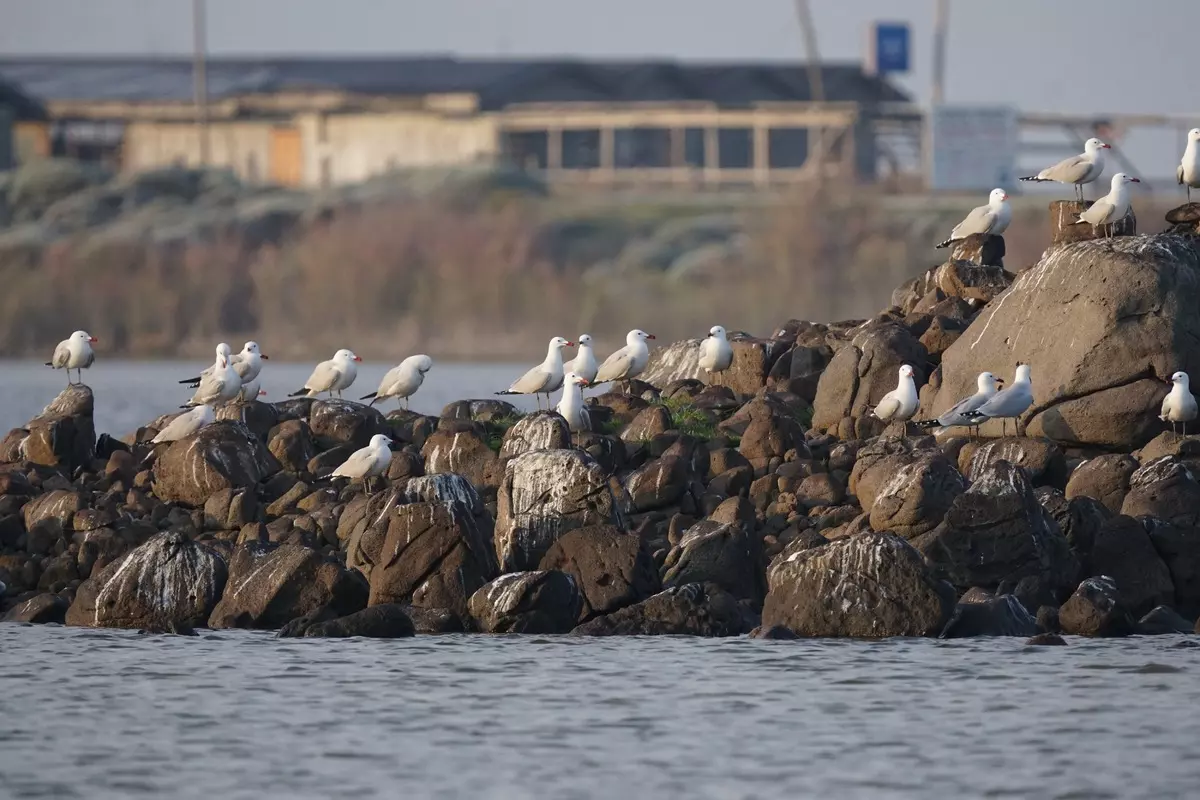
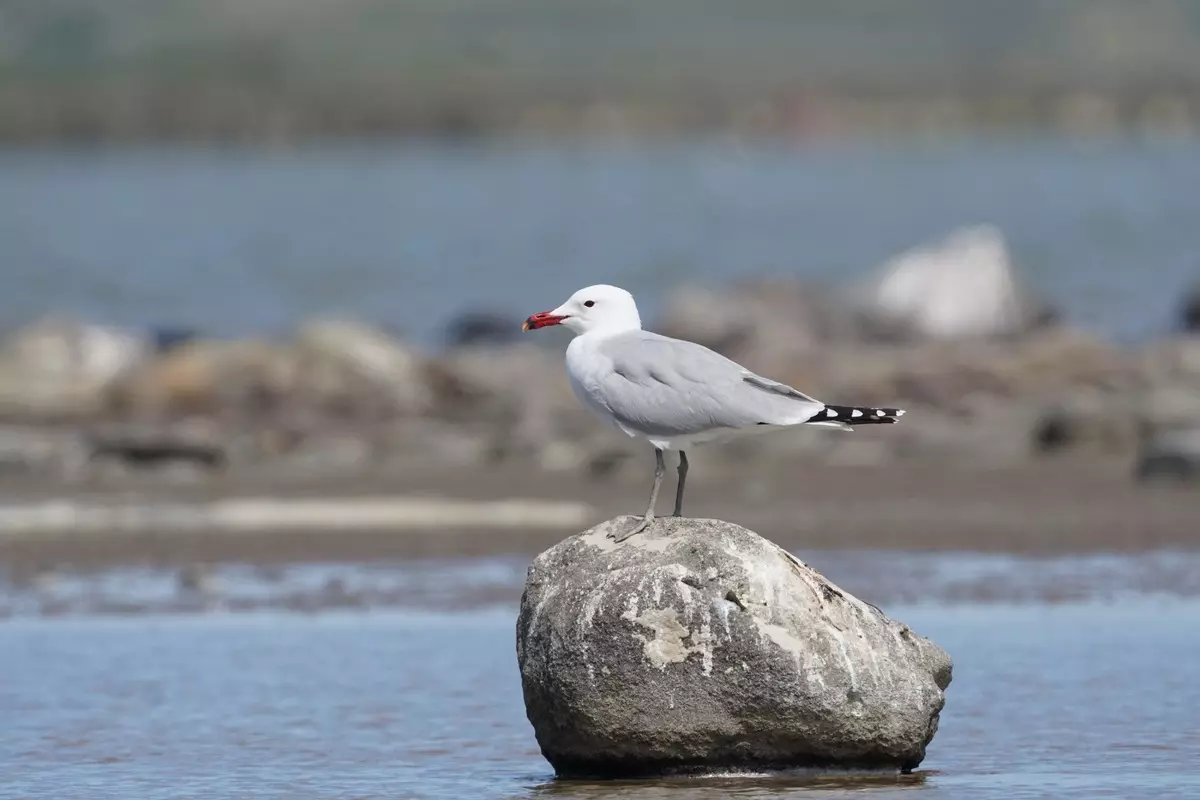
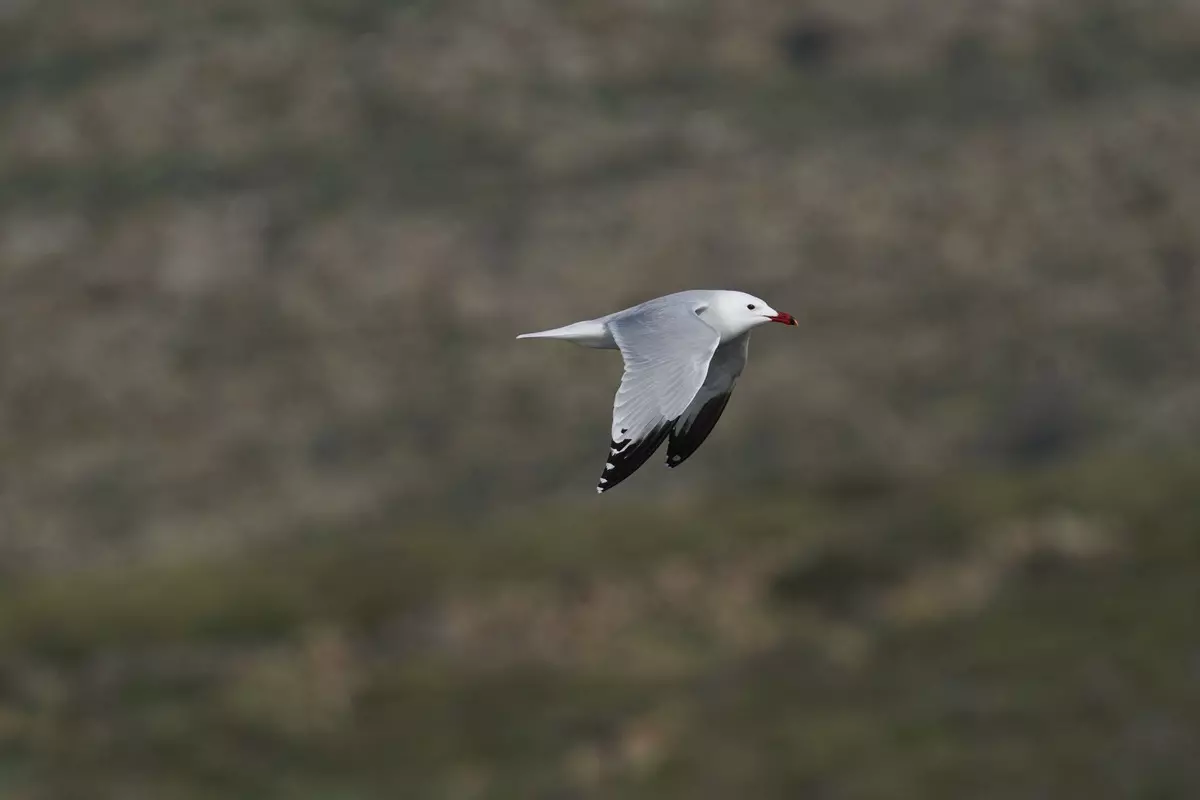
One of Turkey's rarest gull species, the Audouin's gull is easily distinguished from other large gulls by its dark red bill, greenish-gray legs, and slender build. Birdwatcher Murat Uyman highlighted the species' serious population decline in recent years:
"Seventeen gull species have been recorded in Turkey. One of the most elegant and rarest of these gulls is our resident species, the Audouin's gull. It has experienced a dramatic population decline in recent years. In its 2020 assessment, the International Union for Conservation of Nature (IUCN) categorized the species as vulnerable. This is a scientific warning that action plans need to be urgently developed to protect the species."
In Turkey, between 2013 and 2019, the estimated number of breeding pairs was only 70-150 individuals, with the species breeding at 7 locations. However, new breeding data can no longer be collected at most of these 7 sites. Unlike other large gulls, the Audouin's gull is not omnivorous unless necessary; its diet consists mainly of fish, and it mostly hunts at night.
38-44 Individuals Breeding at Gökçeada's Tuz Gölü
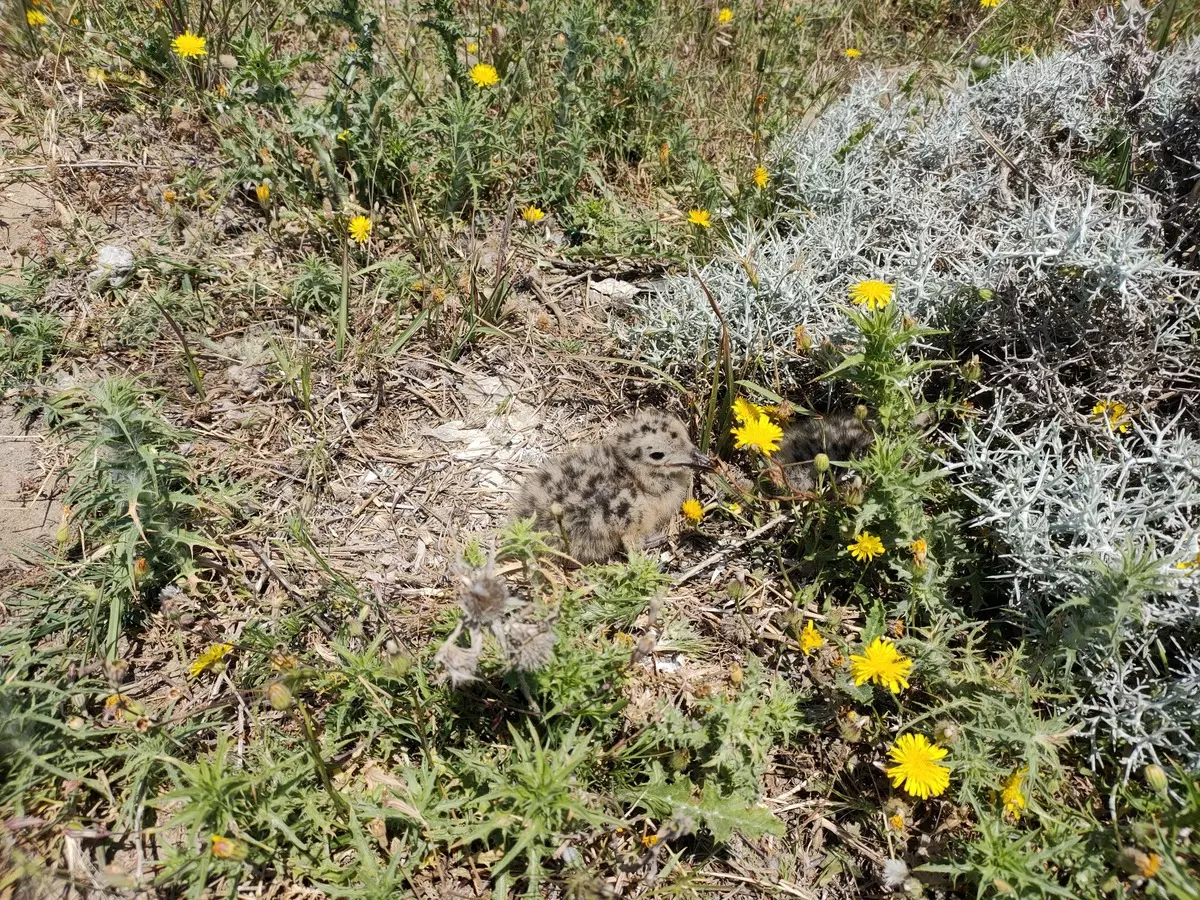
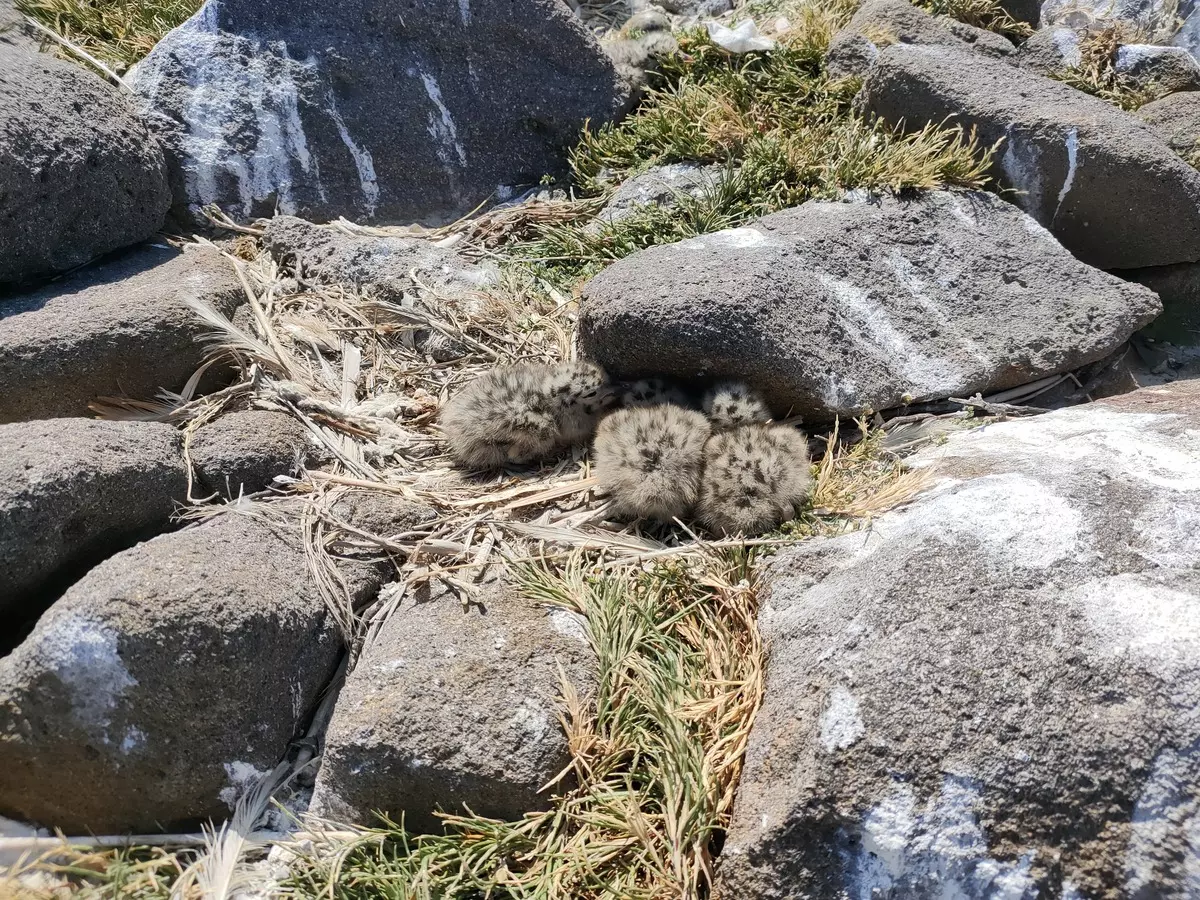
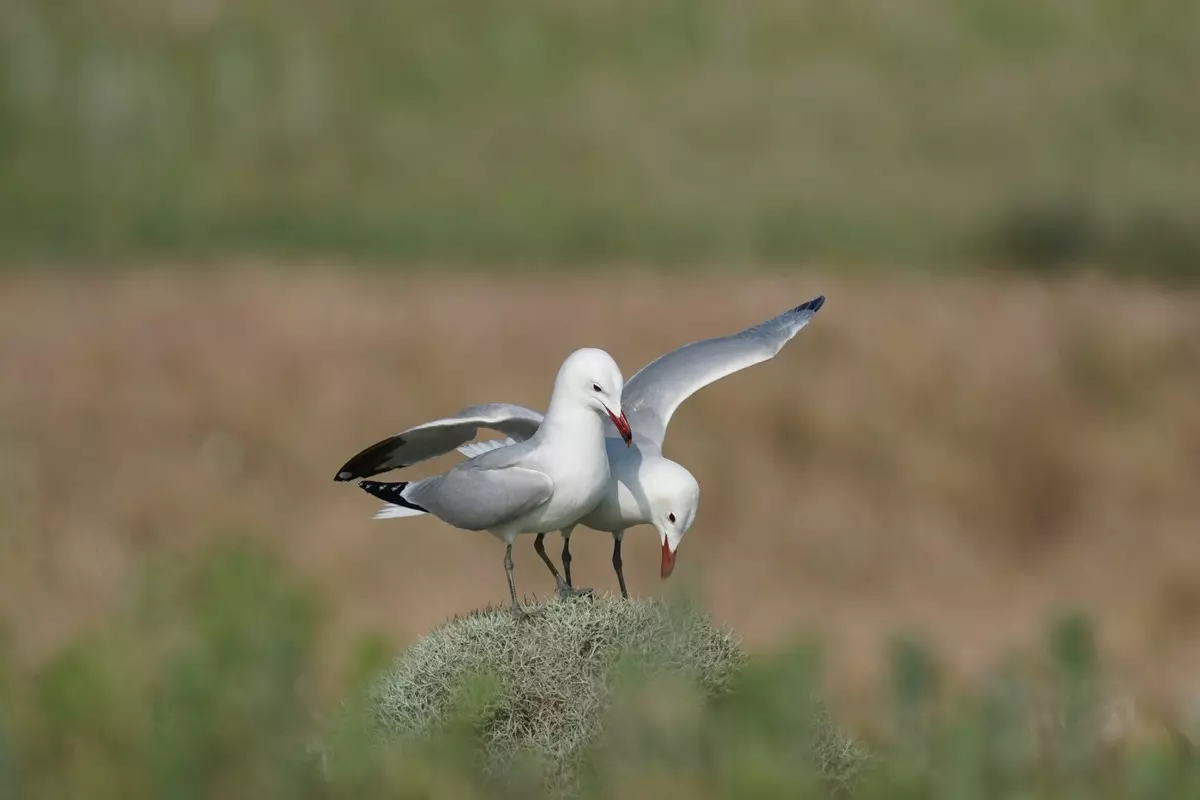
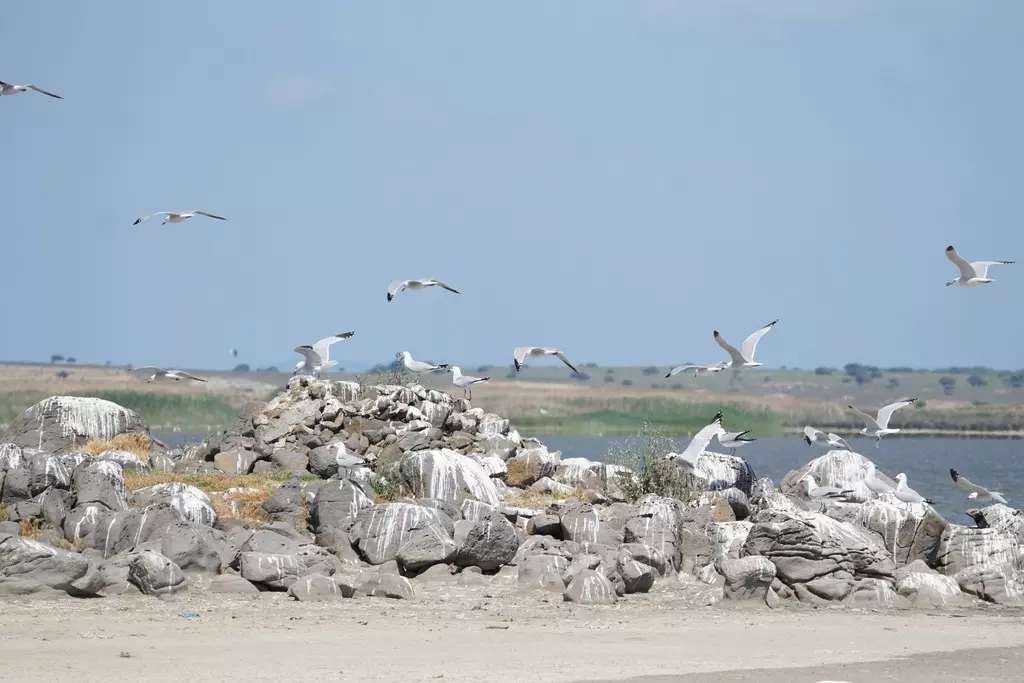
During the 2023 field studies, the team recorded at least 38-44 individuals of Audouin's gull breeding at Gökçeada's Tuz Gölü. Courtship behaviors, incubating individuals, and hatched chicks were observed during the breeding season.
Murat Uyman, a member of the Association for the Protection of Aquatic Ecosystems and a key representative of citizen science in Turkey, visited the island five times to photograph and count birds around Tuz Gölü. The study report scientifically confirmed the species' presence on Gökçeada.
"Habitat Loss, Overgrazing, and Human Pressure Exist"
However, the picture is not entirely positive. Uyman emphasized that the breeding areas of the Audouin's gull lack official protection status:
"Although the area where Audouin's gulls breed is within the boundaries of the Gökçeada Tuz Gölü Wetland of National Importance, it is not within a strict protected area. We now know that the largest colony of our rarest resident gull on Turkey's largest island is found at Tuz Gölü. But this species has never reached the desired population size in Turkey. Reasons include habitat loss, overgrazing, human pressure, and competition from the more aggressive yellow-legged gull. Most importantly, there is no strict protection status to safeguard the breeding areas."
Why Is Tuz Gölü Important?
Completely drying up in summer and forming a salt crust on its surface, Tuz Gölü is also referred to as a lagoon due to its connection to the sea. Its location on migration routes makes it an important stopover for many bird species. Besides tourist icons like flamingos, it hosts scientifically much more critical species.
The researchers' call is clear: to ensure the survival of the Audouin's gull colony at Gökçeada's Tuz Gölü, the area urgently needs to be declared a strict protected area, grazing must be regulated, and human pressure reduced. Otherwise, the Audouin's gull, one of Turkey's rarest gull species, risks losing its future on this island that hosts its largest colony.
📍 Merkez (Çınarlı) — Harita
📍 Bu Bölgedeki İşletmeler
🍽️ Yeme & İçme
🏷️ Etiketler: