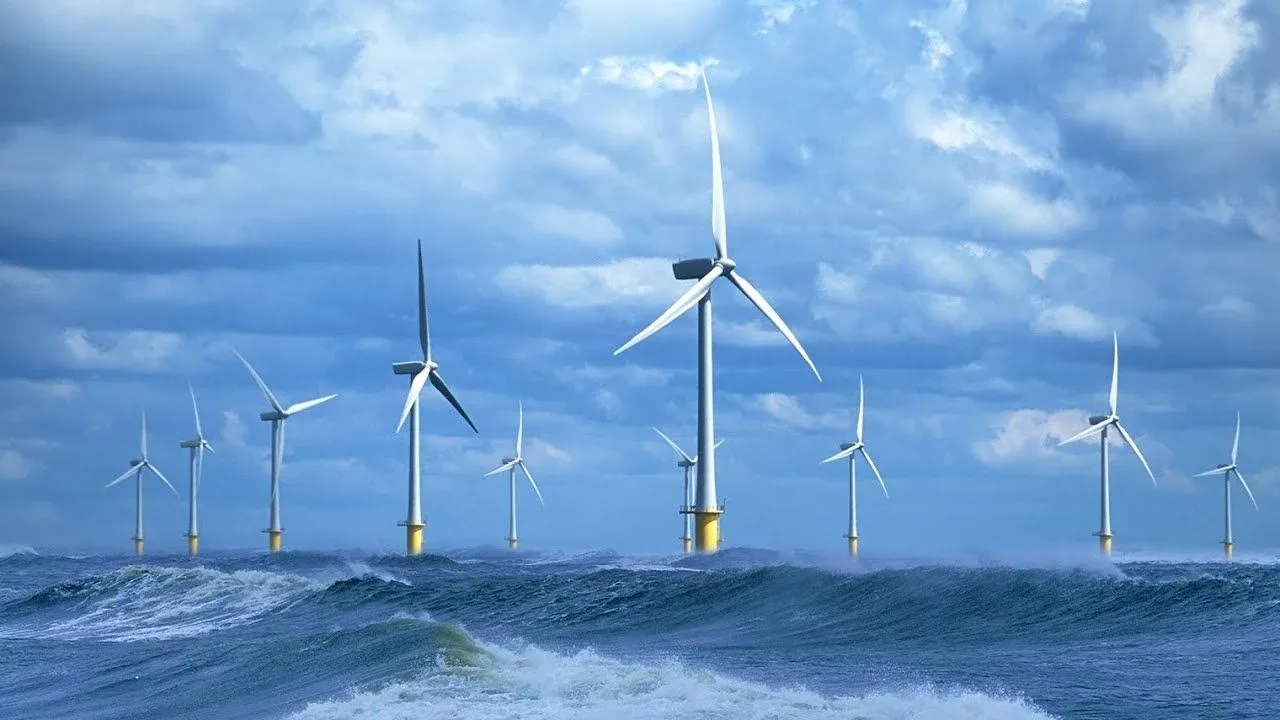
Offshore Wind Turbines in Gökçeada: Clean Energy or Ecological Risk?
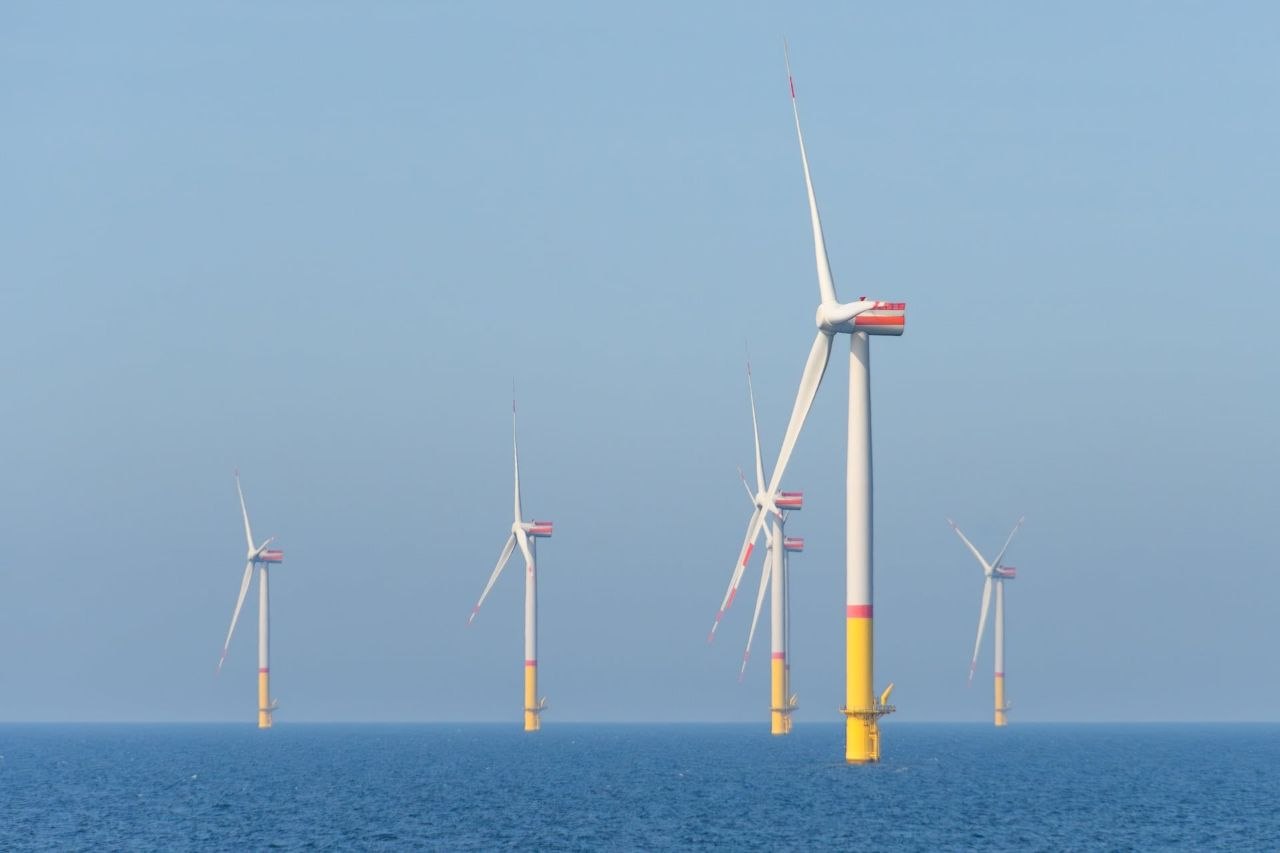
Giant wind turbines rising from the deep blue waters of the Aegean Sea… This image is no longer just a scenario for Gökçeada (Imbros) — it's a concrete project. On May 16, 2026, the Ministry of Energy and Natural Resources officially declared the Saros Gulf, Gökçeada, Bozcaada, and Edremit Gulf as offshore wind energy areas. With tenders under the Renewable Energy Resource Area (YEKA) scheme, the way is now open for installing offshore wind turbines in these regions.
In this article, we'll explore whether it's possible to balance energy independence with preserving Gökçeada's natural beauty, and examine the project's impacts on tourism, ecology, and the local economy.
Project Scale: Offshore Wind by the Numbers
Turkey aims to install 5 gigawatts (GW) of offshore wind capacity by 2035. This translates to roughly 625 giant turbines of 8 MW each. While onshore turbines typically generate 1-3 MW, offshore turbines can reach up to 8 MW — meaning a single offshore turbine can produce 3-8 times more energy than an onshore one.
A World Bank report published in November 2024 revealed Turkey's total technical offshore wind potential is 75 GW, with projections of 7 GW installed by 2040.
Why Gökçeada Is So Sensitive
Gökçeada is Turkey's largest island, known for its natural wonders like Kaya Havuzları (Rock Pools), Aydıncık Beach, Zeytinliköy (Olive Village), and Mavi Koy (Blue Cove). It boasts a bird sanctuary status and a slow-tourism ethos. A large-scale energy project during its construction phase would bring heavy machinery, increased traffic, noise, and infrastructure pressure — a significant burden given the island's current population and service capacity.
Opportunities and Risks: Hearing Both Sides
Pros: Why It's Supported
✅ Renewable and clean energy
Wind power reduces fossil fuel dependence and lowers greenhouse gas emissions. It's critical for Turkey's 2053 net-zero emission target.
✅ Energy independence
Domestic wind energy reduces reliance on imports. Turkey's wind potential is considered among the best in the world.
✅ Jobs and economic contribution
The supply chain — from shipbuilding to cable laying, turbine production to maintenance — could create tens of thousands of new jobs. The World Bank's high-growth scenario predicts 110,000 jobs and $16 billion in economic contribution.
Cons: Risks for Gökçeada
❌ Marine ecosystem disruption
During installation, pile driving into the seabed creates high-intensity sound waves. This noise can drive away dolphins, seals, and migratory fish species. Scientific studies have documented that pile-driving noise can be heard from over 100 km away.
❌ Heavy metal pollution risk
Anti-fouling paints and protective coatings used to prevent corrosion in seawater can leach into the sea over time. In enclosed seas with slow water exchange, this effect is magnified compared to open oceans.
❌ Restricted access to fishing grounds
Wind farm areas are often closed or severely restricted to fishing. Local fishermen around Gökçeada could see their livelihoods directly affected.
❌ Tourism aesthetics
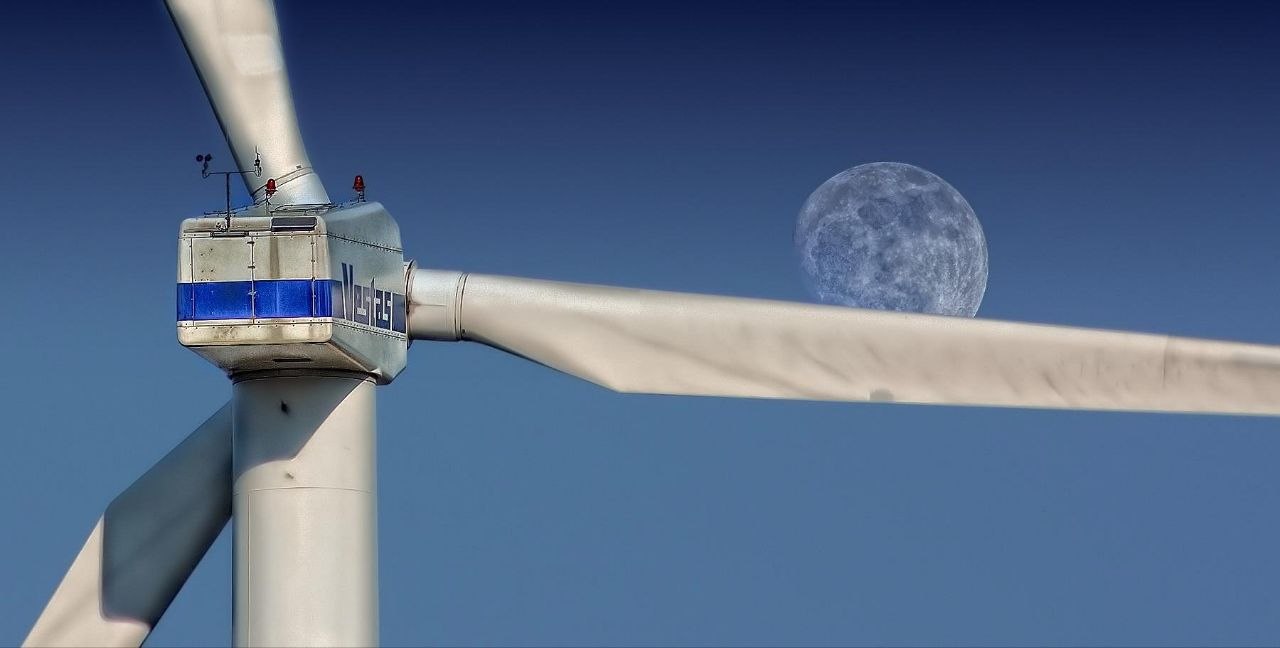
Hundreds of giant turbines 100-150 meters offshore would permanently alter the natural horizon. Gökçeada's biggest draw — its "natural, unspoiled island" identity — could be compromised. Tourists might find their sea views replaced by turbine views.
This is also a key concern for tourism businesses on Gökçeada.
❌ Bird migration routes
Gökçeada lies on important bird migration routes. Wind turbines pose collision risks, especially for large raptors and storks. The impact of European offshore wind farms on bird migration is still an active research topic.
❌ Enclosed sea factor
Successful offshore wind projects in Europe are typically in open oceans with deep waters. The Aegean Sea, however, is a semi-enclosed inland sea — water exchange is slow, and the ecosystem is fragile. The same project could have far more severe impacts in the Aegean than in the North Sea.
Conclusion: Research First, Decide Later
Offshore wind energy offers a real and significant opportunity for combating climate change and achieving energy independence. But in a sensitive ecosystem like Gökçeada, a "research first, decide later" approach is essential.
Local residents, fishermen, tourism operators, and environmental scientists must be involved at every stage. A transparent, independent environmental impact report should be shared with the public. Alternative locations and technologies should be considered.
A balance between clean energy goals and nature conservation is possible — but only through an informed, transparent process.
It may also be useful to check out Gökçeada Municipality's environmental awareness work with the TEMA Foundation.
Additionally, it's important to learn about other regions designated by the Ministry of Energy for offshore wind.
If the project goes ahead, there could also be changes to Gökçeada ferry services.
Do you think offshore wind turbines should be installed off Gökçeada? We look forward to your comments.
📍 Merkez (Çınarlı) — Harita
📍 Bu Bölgedeki İşletmeler
🍽️ Yeme & İçme
🏷️ Etiketler: