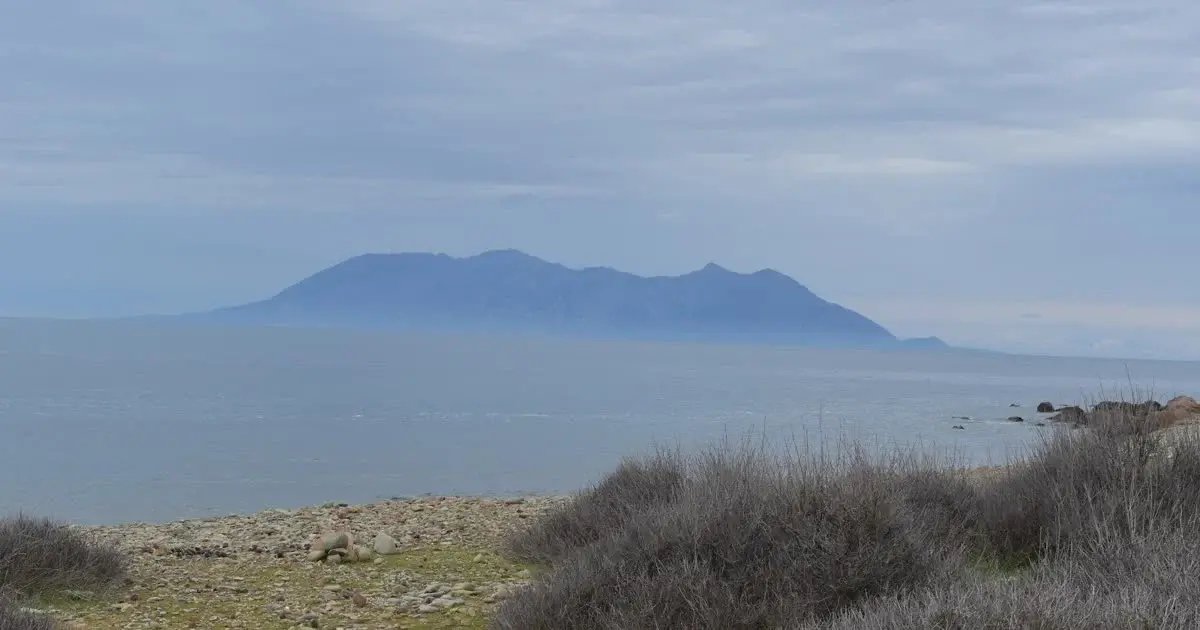
Gökçeada Winter Guide: Off-Season Island Escape
- In winter, Gökçeada's population drops to around 8,000-9,000; beaches and roads empty out
- Accommodation prices are 50-70% cheaper than summer
- 1-2 ferry crossings per day; risk of cancellation in storms
- Marmaros Waterfall flows at its fullest in winter
- October-November is olive oil season — buy fresh products directly from producers
I was surprised the first time I saw Gökçeada in winter — the island I knew from the crowds along the Çeşme road had a completely different face in November. Looking down from Kaleköy, the pier was empty, only three men sat at the tea house, and the sea wasn't gray but deep steel blue. It was a silence I would miss come summer.
What Is Gökçeada Like in Winter?
In summer, Gökçeada teems with dozens of boats, but in winter it transforms into an island of 8,000-9,000 people. Villages are quiet, beaches are deserted, and there's no rush in the market. What we call the island's "true face" is actually this peaceful winter state.
From November to March, the weather is variable: in January, temperatures drop to 6-12°C (43-54°F), and the north wind blows hard. Higher points like Tepekköy may see snow once or twice a year — the scenery is dramatic before it melts, but it doesn't last. From mid-February, the first flowers appear, and by March the island is lush green.
Locals find winter long and tiring; when guests come, they enjoy coffee and long conversations. I've never encountered anything touristy in this season.
What to Do in Gökçeada in Winter?
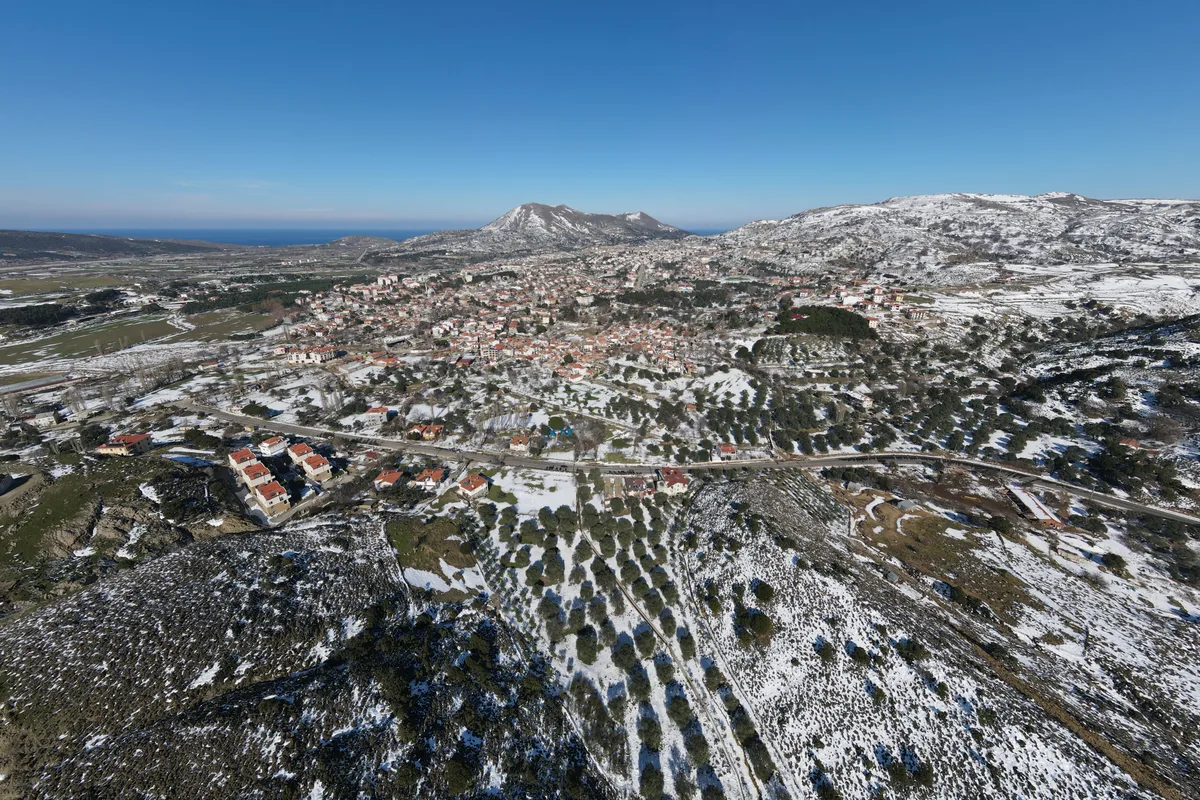
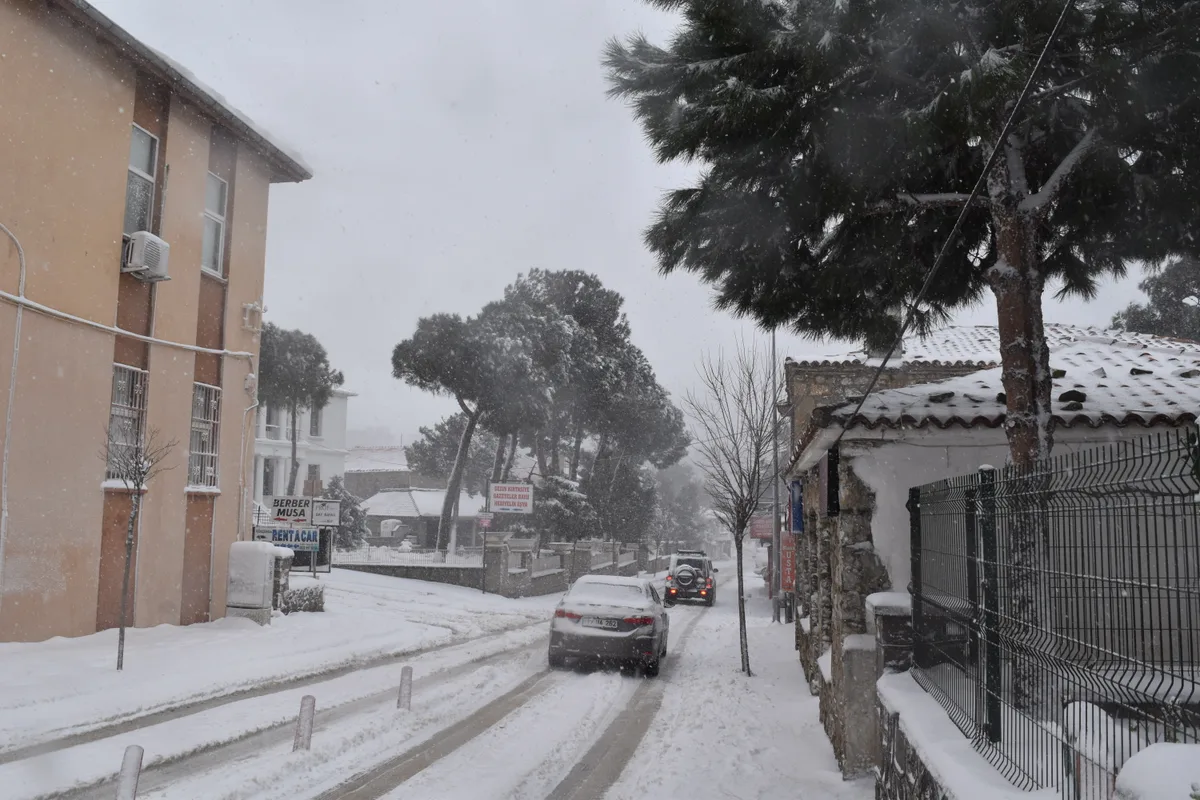
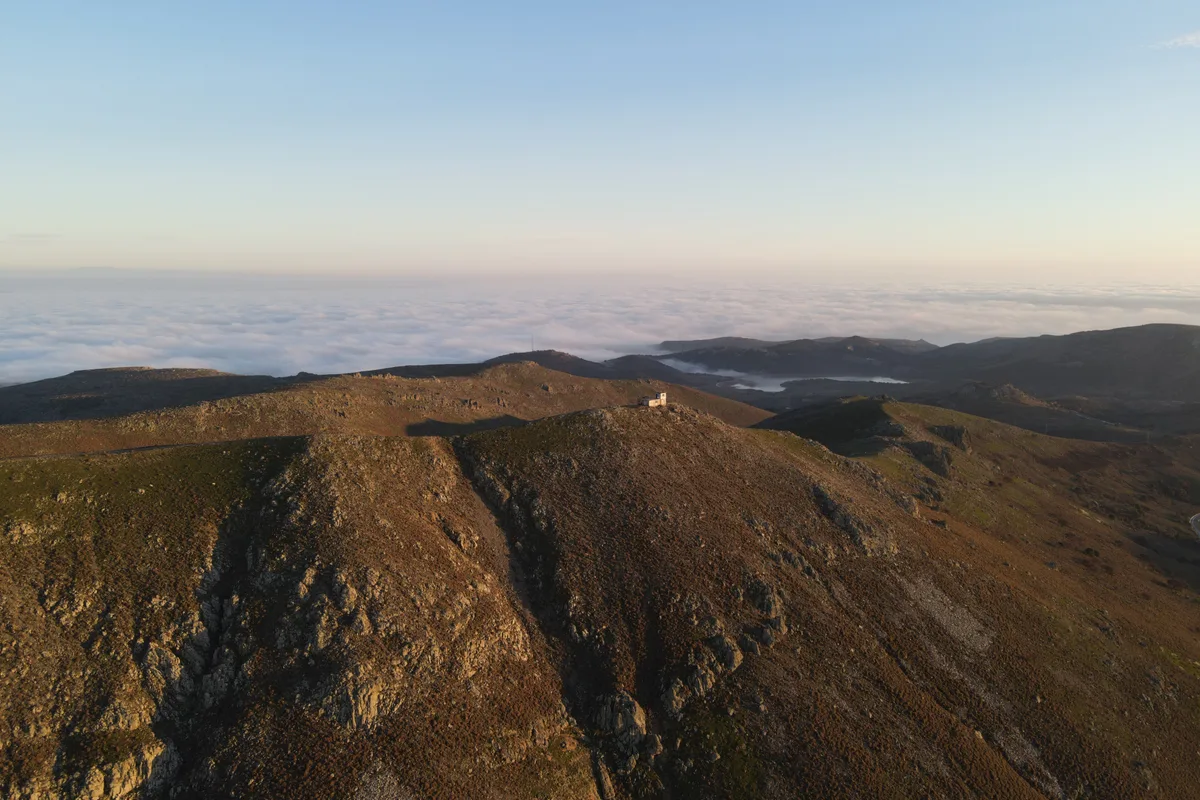
Trekking and Hiking
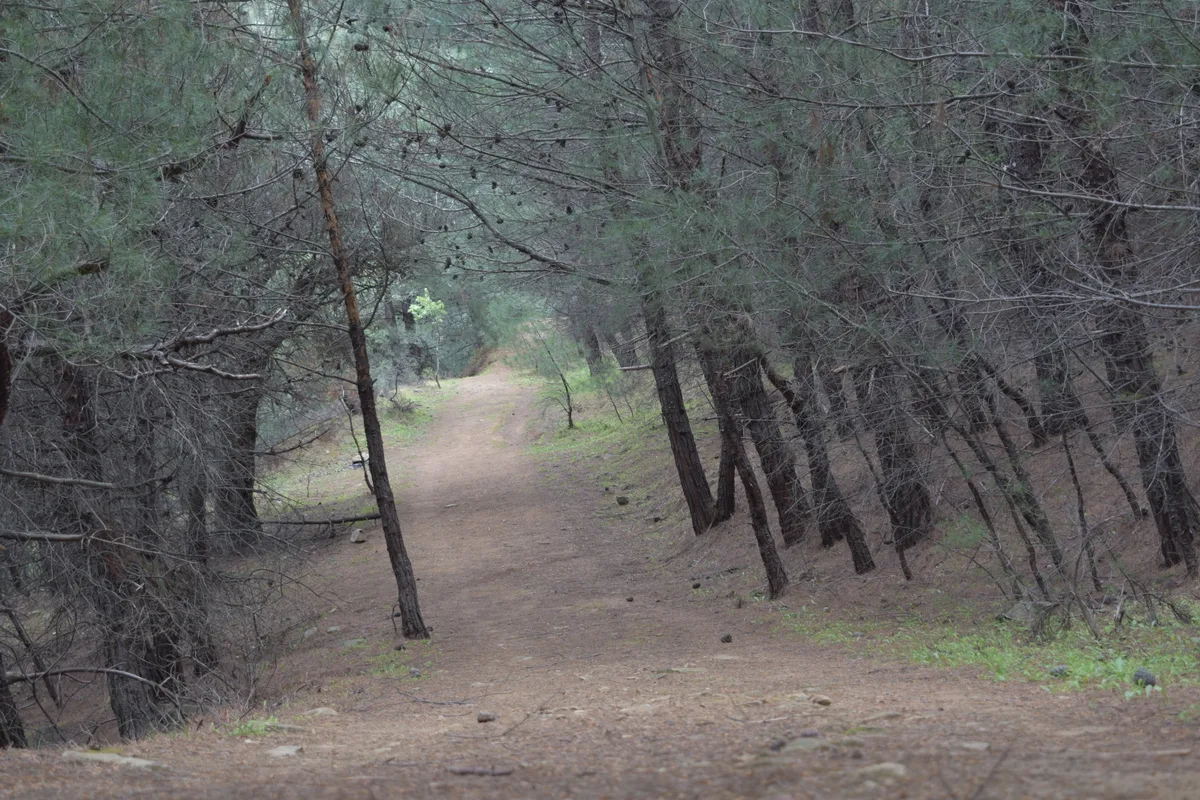
Winter is much better for hiking than summer. The air is cool, the sun isn't scorching, and the trails are wet but solid. Gökçeada's trekking routes have a special beauty in winter. Marmaros Waterfall flows at its fullest — the waterfall that becomes a thin trickle in summer roars in February. On the plateau paths above Tepekköy, the morning fog can be so thick you can't see 20 meters ahead. The rocky trails along the north coast are something else in winter: after a storm, the sea is foamy, cormorants dry on the rocks, and there's no one around. You can find coordinates for these trails on the Activities page.
Birdwatching
Between November and February, winter migrants stop on the island. The lagoon around Yıldızköy is a good spot for cormorants and gulls; if you're lucky, you might even see pelicans. Photographers who know this season come specifically for this — a friend's pelican photo is what drew me to it.
Olive Harvest and Olive Oil
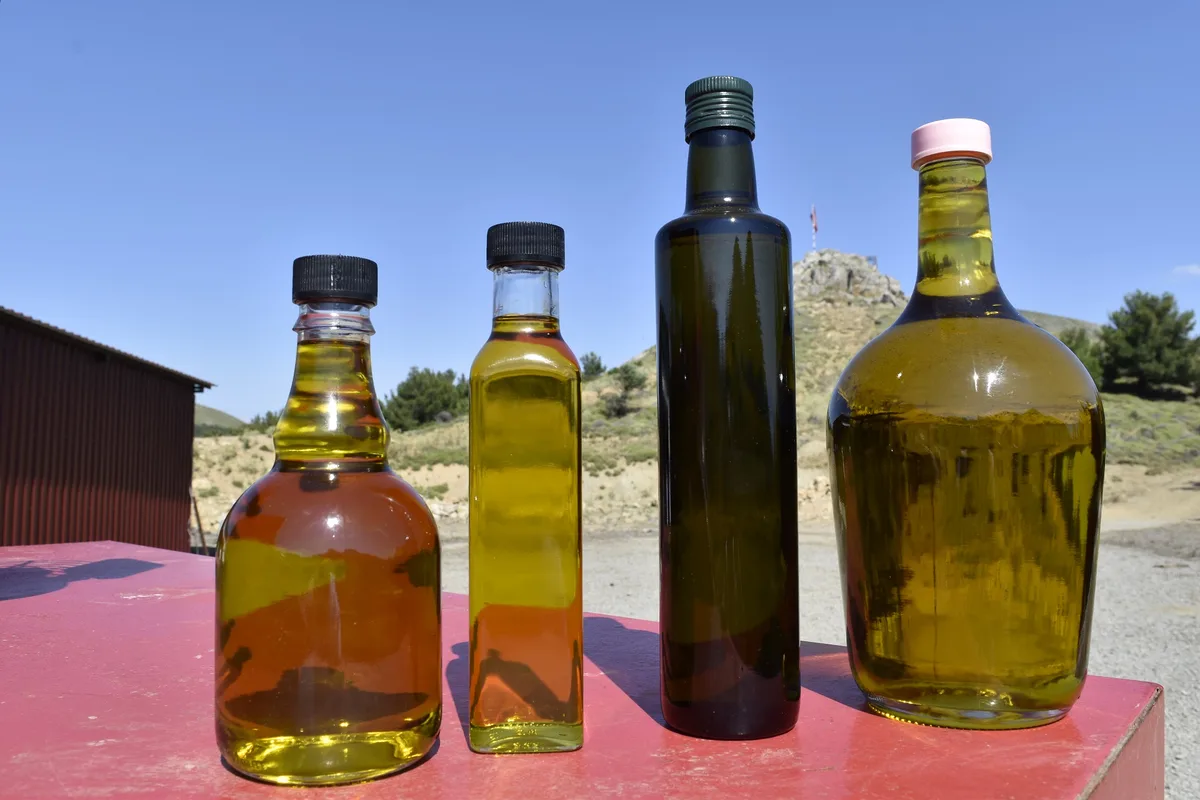
October-November is olive season. These are the days when villagers look for helping hands during the harvest; even a stranger is welcomed with a "buyur" (come in). The scent of freshly pressed olive oil spreads through the villages — it's hard to describe, you have to experience it. You can also visit one of the olive oil factories in town and buy on the spot. Exploring Gökçeada's agriculture and local products is a great opportunity this season.
Open Businesses and Accommodation
This is the one thing you need to research before going to Gökçeada (Imbros) in winter: Which places are open?
The state hospital, pharmacies, and grocery stores are open — no problem there. In the Çınarlı center, two or three cafes and at least one restaurant stay open throughout winter. But most of the beach restaurants in Aydıncık or Yuvali are closed.
- Always open: State hospital, pharmacy, grocery store, PTT (post office), local cafes
- Open during production season: Olive oil mills, cheese producers
- May be closed: Beach restaurants, boat tours, tourist offices
Reservations are essential for accommodation — there are few open places, but prices drop to less than half of summer rates. Choose heated accommodation; stone houses retain cold, and nights can be really chilly. Akar Butik Hotel or İmbros 1882 might be open options in the center. Checking the weather page for current conditions is extra helpful for winter travel.
Ferry and Transportation: Winter Strategy
In winter, the ferry schedule shrinks: 1-2 crossings per day, down from 3-4 in summer. Cancellations due to storms are a real risk — don't take it lightly. Flexible travel plans are a must: don't squeeze your return ticket to the last day.
North coast roads can get muddy after rain; a 4x4 vehicle helps but isn't necessary. Find more information on transportation in Gökçeada, and check the current schedule on the Ferry Schedules page.
| Info | Details |
|---|---|
| Daily crossings | 1-2 (risk of cancellation in storms) |
| Accommodation price | 50-70% cheaper than summer |
| Weather (January) | 6-12°C (43-54°F), windy and rainy |
| Weather (March) | 10-16°C (50-61°F), occasionally sunny |
| Birdwatching season | November-February, Yıldızköy lagoon |
| Olive oil season | October-November |
| Recommendation | Reservation required before going |
Frequently Asked Questions
Is it worth going to Gökçeada in winter?
Winter is ideal for those who want to escape crowds, need silence, or see the local side of the island. The number of open facilities is limited, but nature, tranquility, and authenticity more than compensate for summer.
Do ferries run in winter?
Yes, ferries operate in winter too. However, the number of crossings drops from 3-4 in summer to 1-2 per day, and they may be canceled in stormy weather. Check the current schedule on the ferry schedules page and keep your travel plans flexible.
When is the cheapest accommodation period?
The period between November and March is the most affordable for accommodation in Gökçeada. You can find rooms at 30-50% of summer prices — but since the number of open places is limited, book in advance.
What activities can be done in winter?
Trekking and hiking, birdwatching, photography, olive grove visits, local cafe chats. Marmaros Waterfall is at its fullest in winter. Water sports and boat tours are not available.
What if I need medication or special products?
There are pharmacies in Gökçeada, but stock is limited. We recommend bringing any regular medications and special foods from Çanakkale. Island grocery stores are sufficient for general needs.
📍 Merkez (Çınarlı) — Harita
📍 Bu Bölgedeki İşletmeler
🍽️ Yeme & İçme
🏷️ Etiketler: