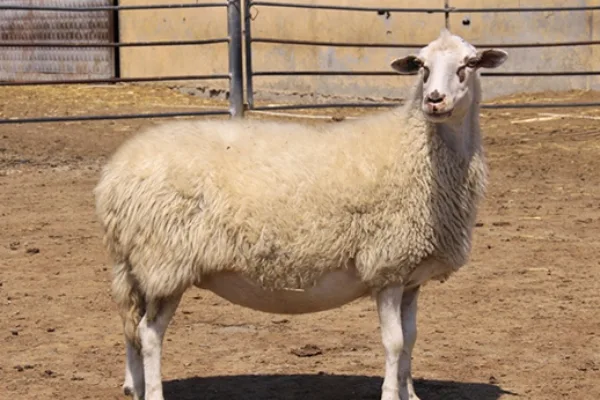
Imroz Sheep: Gökçeada's Endangered Native Breed
- Imroz sheep weigh 25-35 kg, making them one of Turkey's smallest native breeds
- About 50,000 sheep on Gökçeada, but purebred population is rapidly declining
- 200 head are under a 6-year official conservation program
- Geographical indication registration is in progress
- They graze freely in pastures year-round
Driving around Gökçeada, it's nearly impossible not to spot small, black-spotted sheep by the roadside. I still enjoy seeing Imroz sheep grazing in the meadow every morning from my window. You might think they're ownerless, but each flock has a breeder; they live in a semi-wild system. Here's what you need to know about this quiet yet significant natural heritage of Gökçeada.
What Is the Imroz Sheep?
Physical Characteristics
The Imroz sheep, as its name suggests, originates directly from Imroz — that is, Gökçeada (Imbros) — and is one of Turkey's registered local breeds. It's a small-framed, incredibly hardy animal that has adapted over millennia to the island's windy hills, dry summers, and harsh winters.
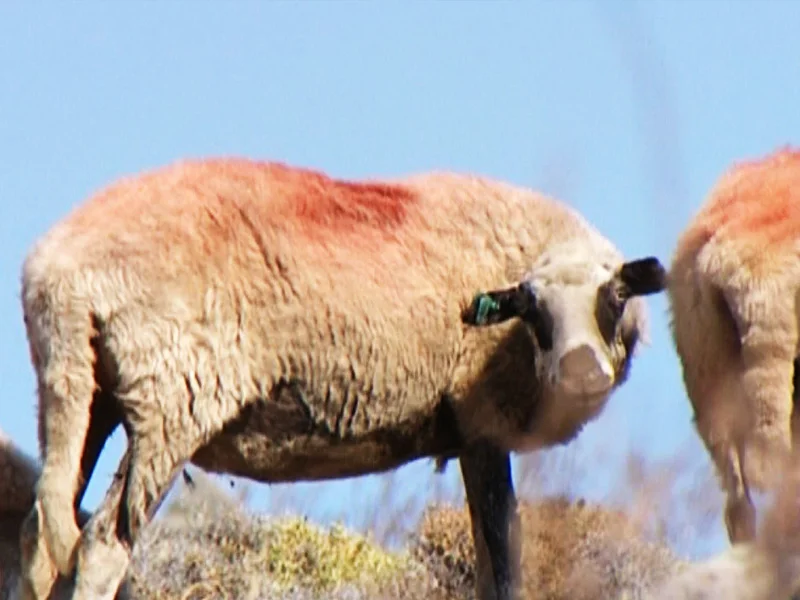
Easy to recognize: white body with distinct black patches around the mouth and eyes. Rams have strong spiral horns extending sideways; ewes are hornless. Live weight ranges from 25-35 kg — think much smaller than the lambs on supermarket shelves. The tail is thin, long, and fat-free, extending below the hock. The fleece is coarse and mixed, requiring shearing twice a year.
Milk and Meat Yield
It's a dual-purpose breed, but milk production is primary. Relative to its body weight, milk yield is quite high. Last summer, I tasted fresh cheese made from Imroz sheep's milk at a breeder's home — the flavor difference compared to store-bought cheese is incomparable. The meat of animals that graze freely on the island also carries a characteristic Aegean aroma, distinct from barn-raised livestock.
| Info | Detail |
|---|---|
| Breed origin | Gökçeada (Imbros) |
| Live weight | 25-35 kg |
| Total population | ~50,000 head (purebred declining) |
| Conservation scope | 200 head, 6-year program |
| Rearing method | Semi-wild, free-range pasture |
| Shearing frequency | Twice a year |
| Geographical indication | Registration in progress |
How Do They Live on the Island?
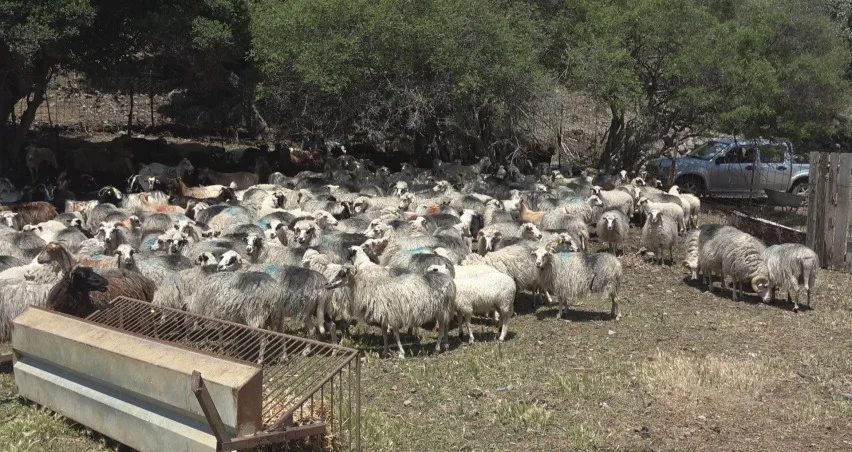
Imroz sheep roam freely in the island's pastures year-round. Don't think of them as typical farm animals; they live in a semi-wild system. Early in the morning, flocks disperse into the pastures and return on their own in the evening. Locals often say, "the sheep graze themselves," and they're not exaggerating.
This natural lifestyle has both pros and cons. Pros: the animals are healthy, stress-free, and the meat quality is high. Cons: free-roaming animals are vulnerable to theft and illegal slaughter, especially in summer. And they love to lie down in front of your car in tight parking spots — but you get used to it.
Winter, when the island is quieter, actually benefits the sheep: more pasture space, less disturbance. Lambing season starts in February-March, and seeing tiny lambs chasing their mothers in the meadows is a truly delightful sight. While cycling around Gökçeada, you'll often encounter these flocks.
Why Are They Endangered?
There are about 50,000 sheep on Gökçeada, but the reality isn't so bright. The purebred Imroz population is rapidly dwindling. Here are the reasons:
- Crossbreeding pressure: Faster-growing, heavier foreign breeds are economically attractive. Breeders abandon purebreds for short-term profit.
- Younger generation moving away: Livestock farming is hard work; the new generation heads to Istanbul. The average age of remaining breeders is rising.
- Marketing issues: With unclear "organic" certification, Imroz lamb meat doesn't fetch the price it deserves. It sits on the same shelf at the same price as industrial meat.
- Illegal slaughter: Free-roaming animals are easy targets. Losses increase especially before holidays.
Years ago, I used to see more purebred flocks in the pastures than I do now. You notice the change gradually.
Conservation Efforts and Geographical Indication
The good news: there are people working to stop this trend. The Ministry of Agriculture and Forestry has included the Imroz sheep, along with the Kıvırcık and Sakız breeds, in an official conservation program. 200 head are under a 6-year conservation plan, and their genetic purity is monitored.
Perhaps more importantly, efforts are underway to register "Imroz Lamb Meat" as a geographical indication. If completed — like Ezine cheese or Gemlik olive oil — this traditional product will gain protected status in national and international markets, potentially making a significant difference in both price and recognition.
Locally, there are also promising initiatives. Some breeders consciously maintain purebred flocks and sell directly. In Bademli Village and its surroundings, you'll find such small-scale but determined producers. Dishes listed as "Imroz lamb" on restaurant menus are also raising awareness.
If you're planning to visit Gökçeada, check our weather page for current conditions — especially useful for pasture trips and nature walks.
Frequently Asked Questions
Where can I see Imroz sheep?
You can spot Imroz sheep in pastures around almost every village on Gökçeada. Particularly around Dereköy, Tepeköy, and Bademli, the grasslands are dense with flocks. You'll also frequently encounter them by the roadside while driving around the island.
Where can I buy Imroz lamb meat?
It can be sourced directly from local breeders on the island. Butchers in the town center and villages carry Imroz lamb, but to be sure it's purebred, it's best to know the breeder. Some island restaurants also use Imroz lamb in their menus.
For example, Çınar Restaurant, which emphasizes local products, may offer Imroz lamb on its menu.
What makes Imroz sheep different from other breeds?
The most distinctive features are its small size (25-35 kg), black facial patches, and fat-free long tail. It grows slower than industrial breeds, but free-range pasture feeding gives the meat superior flavor and nutritional value. It has a hardy genetic structure adapted to the island's harsh climate.
When will the geographical indication registration be completed?
Registration work is still ongoing. No exact date has been given, but the process is progressing. Once completed, Imroz lamb meat will be legally protected against imitation products, just like Ezine cheese.
Can I raise Imroz sheep?
It's possible for those who own land on Gökçeada. However, finding purebred breeding stock is becoming increasingly difficult. If you're looking for real estate on Gökçeada, you may find land suitable for livestock. For more on Gökçeada's geography, check out our article on the island's natural structure and land features.
Also, if you're looking for accommodation on Gökçeada, you can find hotels and guesthouses in our business directory.
Gökçeada's flora is as special as its sheep. For more information, read our article on the island's plant cover.
To learn more about the Imroz sheep, you can read our post Imroz Sheep: Gökçeada's Rare Native Sheep Breed.
📍 Merkez (Çınarlı) — Harita
📍 Bu Bölgedeki İşletmeler
🍽️ Yeme & İçme
🏷️ Etiketler: