Gökçeada (Imbros) Rock Pools Guide: Natural Pools, Peynir Kayalıkları, and Yıldız Cove
When you set foot on Gökçeada (Imbros), the natural beauty the island offers is endless. Alongside golden sandy beaches, crystal-clear Aegean waters, and rugged coastal cliffs, one of the island's most unique attractions is its rock pools. Shaped by millions of years of geological processes, these natural formations come in three distinct types: freshwater pools, sea rock platforms, and volcanic cliffs. In this article, you'll discover Gökçeada's rock pools and rock formations in full detail.
Rock Pools on Gökçeada: Three Different Worlds
When people talk about "rock pools" on Gökçeada, they actually refer to three different natural formations. Resources that bring all three together in a single guide are rare, yet each offers a complementary and unique experience.
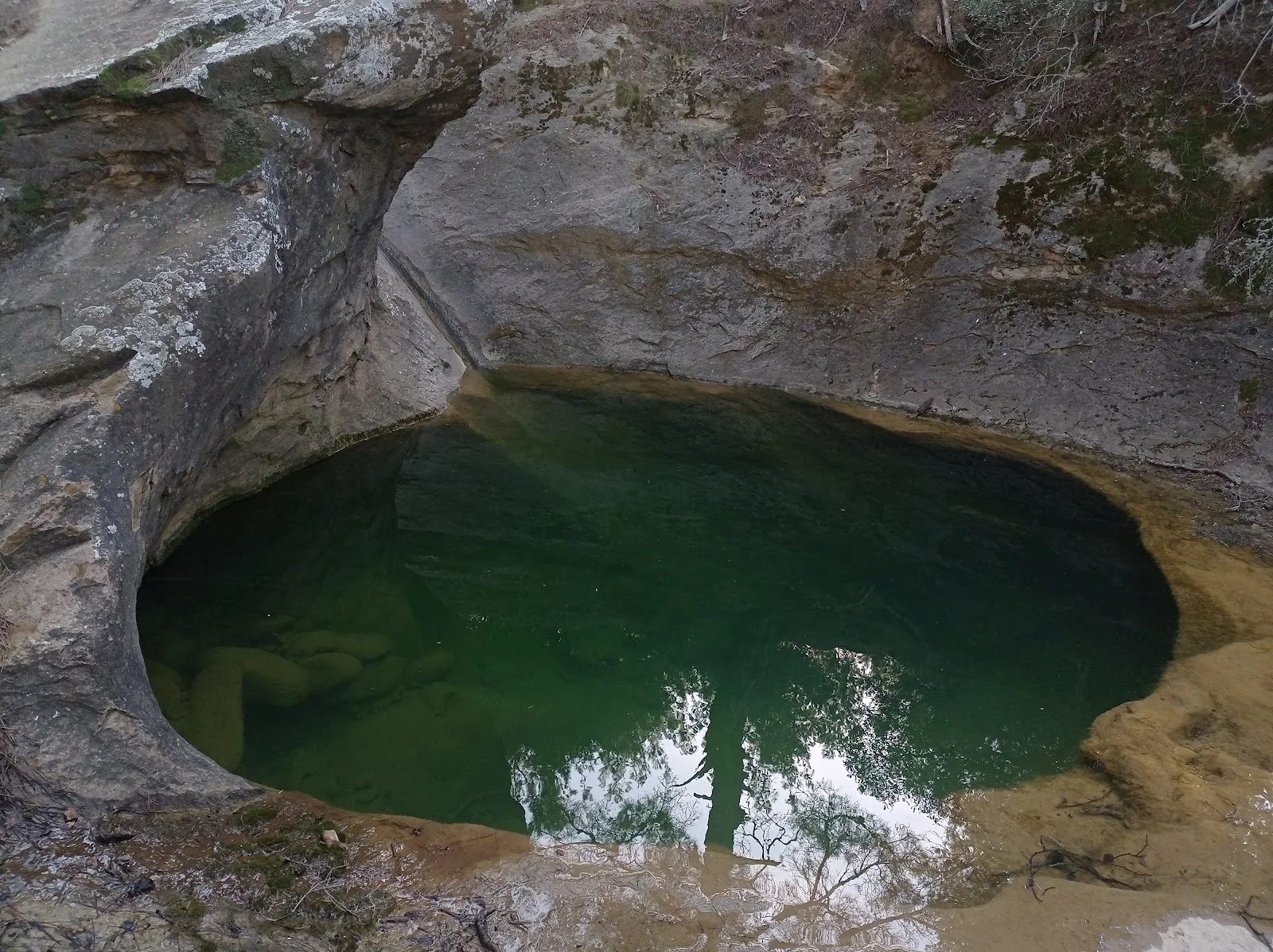
- Tepeköy / Dereköy Freshwater Rock Pools: Three natural freshwater pools formed by centuries of rain and stream erosion on volcanic rocks inland.
- Yıldız Cove Sea Rock Platforms: Stepped rock formations on the north coast, within Turkey's first underwater national park.
- Peynir Kayalıkları (Cheese Rocks / Kaşkaval Cape): Unique cliffs formed by cooled and layered volcanic lava, accessible only by boat.
Tepeköy / Dereköy Freshwater Rock Pools
Location and Access
Located between Tepeköy and Dereköy in the north of Gökçeada, close to the island's interior, these rock pools are a top stop for many visitors. They are about 6–7 km from the town center, a 10–12 minute drive. Turn left at the Kaymakamlık hill and proceed about 500 meters to reach the pools.
Public transport is also possible; the town-Tepeköy minibus covers this route. However, return times can be restrictive, so renting a car is much more practical.
Physical Features
The pool area contains three small natural hollows close to each other. These pools are small-scale and seasonal: they fill with rainwater in winter and spring, and their levels drop significantly by mid-summer. In spring, the water, kept cool by the rock and soil, remains relatively refreshing even in warm weather.
The biggest surprise of the pools is their residents: freshwater turtles. As you walk around the pools, you can often see these gentle creatures basking in the sun or swimming in the water. This offers a rare opportunity for nature photographers and is one of the most enjoyable moments of the visit.
Swimming and Activities
Swimming in the pools is technically possible, but the size is small and depth limited. The best period is April–May, when water levels are suitable for swimming and the weather is mild. In mid-summer (July–August), the water becomes shallow, reducing the swimming pleasure. For small children, the pools offer a safe and fun nature experience.
There are no facilities at the pools; no kiosks, toilets, or shade. Don't forget to bring enough water, snacks, and sunscreen.
Best Time to Visit
The ideal time for the freshwater rock pools is April and May. During this period, the pools are full from rainfall, combined with green vegetation and cool weather, creating an unforgettable scene. A spring walk and turtle watching can be done on the same day.
Yıldız Cove: Rock Platforms in Turkey's Only Underwater National Park
Location and Access
Located on the north coast near the villages of Yeni Bademli and Kaleköy, Yıldız Cove is within the protection zone of the Gökçeada Underwater National Park. It is directly accessible by car; just follow the route to the north coast. In 2012, wooden steps and a floating pier were completed to facilitate sea entry at the cove's rock platforms.
For access to Yıldız Cove, you can plan your trip by checking Gökçeada ferry schedules.
Rock Platforms and Experience
The most distinctive feature of Yıldız Cove is the rock platforms that descend in steps from the shoreline. These rock formations allow you to enter the sea gradually while also offering sunbathing spots. The seawater, with its characteristic northern coast clarity, resembles an aquarium; many sources describe the sea exactly that way.
Another notable element in the cove is the remains of an old chapel near the shore; its outer walls are still standing, reflecting the area's Greek historical fabric.
Snorkeling and Diving
Yıldız Cove offers an excellent environment for snorkeling; snorkeling is free within the park boundaries. You can follow the buoys along the underwater trail for diving, and the park ranger sometimes provides guidance. For scuba diving, official permission is required.
In the waters of the underwater national park, you may encounter rare species such as the Mediterranean monk seal, seagrasses, fan mussels, and dolphins. Days when the north wind is calm — especially southerly wind or windless mornings — offer the best conditions for swimming.
Peynir Kayalıkları (Cheese Rocks): A Volcanic Work of Art
Location and Access
Located at Kaşkaval Cape on the northeast coast, west of Kuzulimanı, the Peynir Kayalıkları are one of Gökçeada's most unique natural formations. They are not accessible by land; you reach them by boat — about 15 minutes from Kaleköy Harbor and about 5 minutes from Kuzulimanı. You can arrange a boat tour with fishermen in Kuzulimanı or Kaleköy.
If you want to windsurf on Gökçeada, check out our Gökçeada wind sports guide to explore the island's offerings.
Appearance and Formation
The Peynir Kayalıkları get their name from their layered appearance, resembling stacked cheese wheels. This striking structure was formed by andesitic and basaltic lava that flowed to the surface during volcanic activity hundreds of thousands of years ago, cooled and layered, then shaped by centuries of wind and wave erosion.
Scientific research divides such rock formations along Gökçeada's coast into two groups: the western group formed 4,010–5,830 years ago, and the eastern group 620–2,390 years ago. Separating these two groups is the Uğurlu Fault, an extension of the North Anatolian Fault System.
The Legend of Peynir Kayalıkları
A local legend accompanies this monumental work of nature. According to the tale, a stingy, wealthy woman with herds and a cheese cellar stacked her cheeses one on top of another, intending to reach the sky. Angered by her greed, God turned her and all the cheeses to stone on the spot. This legend, passed down through generations, deepens the mysterious atmosphere of the rocks.
Peynir Kayalıkları ranks among Turkey's most photogenic natural spots. The play of shadows and colors on the rocks at different angles of the sun is mesmerizing. Early morning and late afternoon — the golden hours — offer the most dramatic images. Kaşkaval Cape, also an exceptional location for drone shots, has become a must-visit for social media content creators.
Geological Importance of the Rock Pools
Gökçeada's rock formations are significant not only aesthetically but also scientifically.
Tectonic Record
Coastal rock (beachrock) formations record the tectonic activity of the Uğurlu Fault, an extension of the North Anatolian Fault System in the Aegean. These formations serve as a natural archive for understanding sea level changes and regional tectonic movements.
Geochronology
Coastal rocks studied through radiocarbon dating provide information on Holocene climate and sea level changes. This time range, varying between 620 and 5,830 years, illuminates the region's long-term climate history.
Volcanism Traces
The rock formations in the northeast of the island are cooling products of andesitic and basaltic lava, reflecting the volcanic history of the North Aegean. The Dereköy area, in particular, has a place in scientific literature for andesite rock research.
Seasonal Visit Calendar
| Period | Rock Pools Condition | General Island Conditions |
|---|---|---|
| January–March | High water level; pools full | Quiet, uncrowded; weather cool and possibly windy |
| April–May (Recommended) | Best period: plenty of water, mild weather, green nature | Less crowded, reasonable prices, excellent for hiking |
| June | Pools full, sea suitable for swimming | Sea season opens, crowds begin to increase |
| July–August | Freshwater pools become shallow; rock views visible | Peak season; ferry reservation mandatory |
| September–October | Moderate water; autumn colors | Last chance before season ends; ideal balance |
Recommended Combined Route: Northern and Inland Itinerary
To see Gökçeada's rock pools and rock formations in a single day, we recommend the following itinerary:
- Morning (09:00): Start from the town center or Tepeköy → See the 600-year-old plane trees at Tepeköy Çınaraltı
- Mid-morning (10:30): Visit the rock pools, observe turtles
- Lunch (12:30): Take a break at a village café in Dereköy or Tepeköy
- Afternoon (14:00): Head to Yıldız Cove, snorkel on the rock platforms
- Late afternoon (16:30): Rent a boat from Kaleköy or Kuzulimanı, go to Peynir Kayalıkları
- Evening (18:30): For more information about Peynir Kayalıkları, read our blog post. Watch the sunset in Kaleköy
Practical Information
Entrance Fees
All rock pools and natural areas are completely free. No entrance tickets, ticket booths, or reservations are required.
Transportation
- Getting around the island: Renting a car is the most practical option. Island minibus services are limited.
- Tepeköy Rock Pools: Town center → Tepeköy road, 6–7 km, 10–12 minutes
- Yıldız Cove: Direct car access to the north coast
- Peynir Kayalıkları: Only by boat; from Kaleköy ~15 min, from Kuzulimanı ~5 min
What to Bring
- Plenty of water and snacks (no facilities at any of the spots)
- Sunscreen and hat
- Comfortable walking shoes
- Mask and snorkel set for Yıldız Cove
- Waterproof bag for the boat trip
Wind and Weather
Gökçeada is generally exposed to the north wind (poyraz); therefore, northern coves (Yıldız Cove) can be windy. On southerly wind (lodos) days, northern coves become calm. For island wind conditions, we recommend checking the daily weather forecast on visitgokceada.com.
Frequently Asked Questions
Are Gökçeada's rock pools suitable for children?
The Tepeköy freshwater pools are small and shallow, making them safe for children. Yıldız Cove's rock platforms require a bit of caution but have become a popular spot for families.
Are the rock pools the same as "Kral Havuzları" (King's Pools)?
Yes. Some YouTube content creators call these natural rock pools "Kral Havuzları" or "Cadıkazanları" (Witch's Cauldrons). These names are not used in local sources, but they refer to the same areas.
What is the best time for photos?
For the freshwater pools, early morning with spring greenery is ideal. For Peynir Kayalıkları, the golden hour (sunrise or sunset) offers the most dramatic images.
Conclusion
Gökçeada's rock pools and rock formations are living canvases that bring the island's astonishing geological history to the surface. A quiet spring pool shared with freshwater turtles, snorkeling in the clear waters of an underwater national park, or encountering million-year-old volcanic layers — each offers a completely different experience.
All of these beauties are free, natural, and largely uncrowded. On your next visit to Gökçeada, adding these three spots to your itinerary will allow you to explore the island much more deeply.
📍 Dereköy — Harita
📍 Bu Bölgedeki İşletmeler
🏷️ Etiketler: