History of Gökçeada (Imbros): From Neolithic to Today
From the 3000 BC ruins at Yenibademli Höyük to the 1964 decrees, 2025 archaeological finds, and today's return movement, we tell the history of Gökçeada through a neighbor's eyes.
Köyler, rotalar, kültür ve adayı keşfetmek için her şey
From the 3000 BC ruins at Yenibademli Höyük to the 1964 decrees, 2025 archaeological finds, and today's return movement, we tell the history of Gökçeada through a neighbor's eyes.
If you only have one day, Gökçeada is still worth it. An hour-by-hour route from the morning ferry to the evening return, car rental tips, and three different alternatives focused on nature, history, and the sea for a day trip guide.
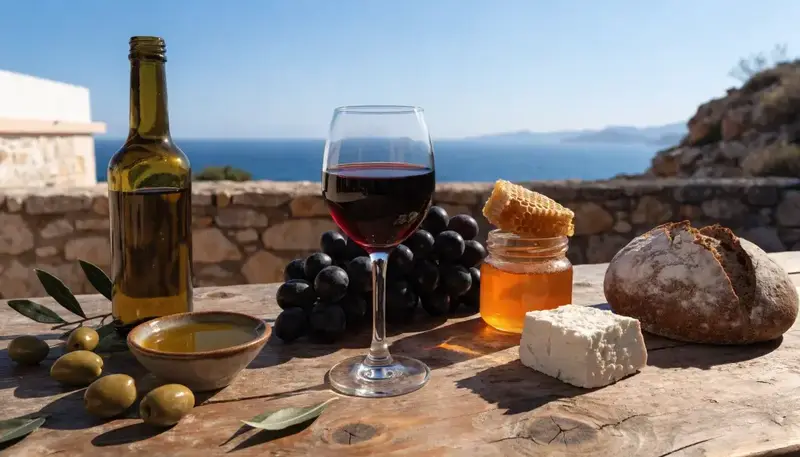
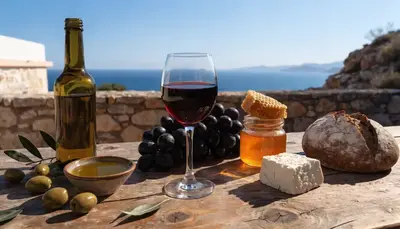
Visitors leaving Gökçeada always carry the same things in their bags: olive oil, honey, goat cheese, and perhaps a bottle of island wine. These products are no coincidence—they carry the island's identity, a legacy of thousands of years. As a Cittaslow (Slow City), Gökçeada is a pioneer in organic farming in Turkey, with 165 producers and 18 beekeepers practicing sustainable agriculture across 7,175 decares.
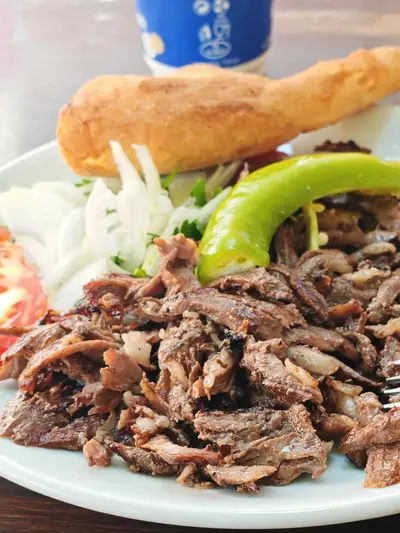
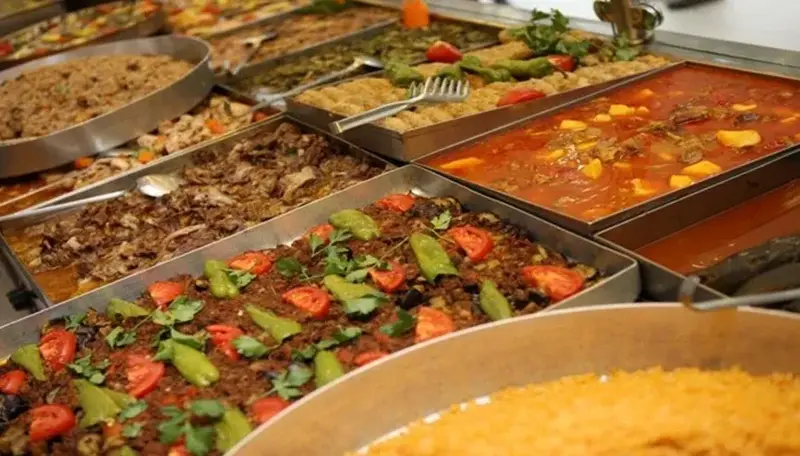
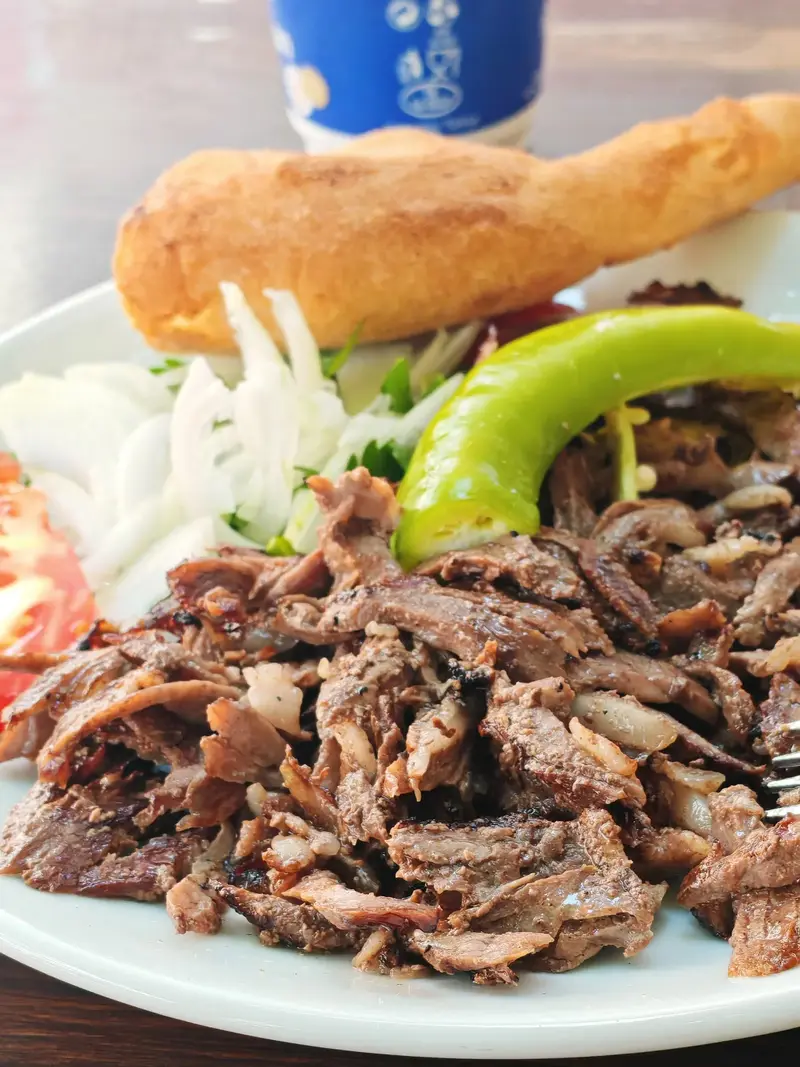
From the moment you set foot on Gökçeada (Imbros), the island's cuisine has a story to tell. It begins with olive oil pressed from 300-year-old trees, continues with stone-ground dibek coffee, and truly comes alive in a seaside taverna in front of a meze counter. Discover the island's signature octopus, unique mezes, local wines, and the best restaurants.
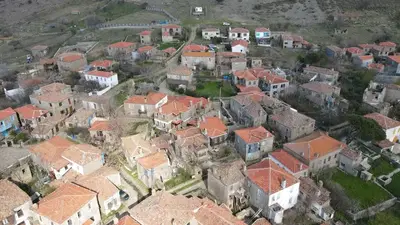
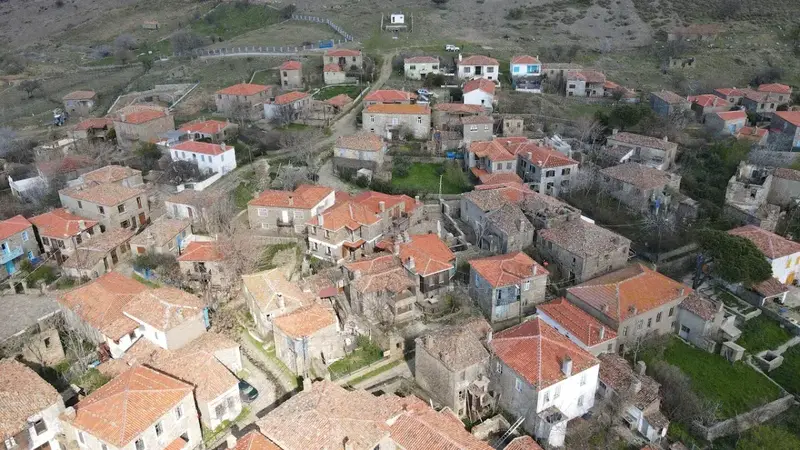
Gökçeada's villages hold the island's true soul. With stone streets, church bells, centuries-old plane trees, and unique stories, these are not just photo-worthy landscapes—they are living, breathing places that whisper tales of the past.
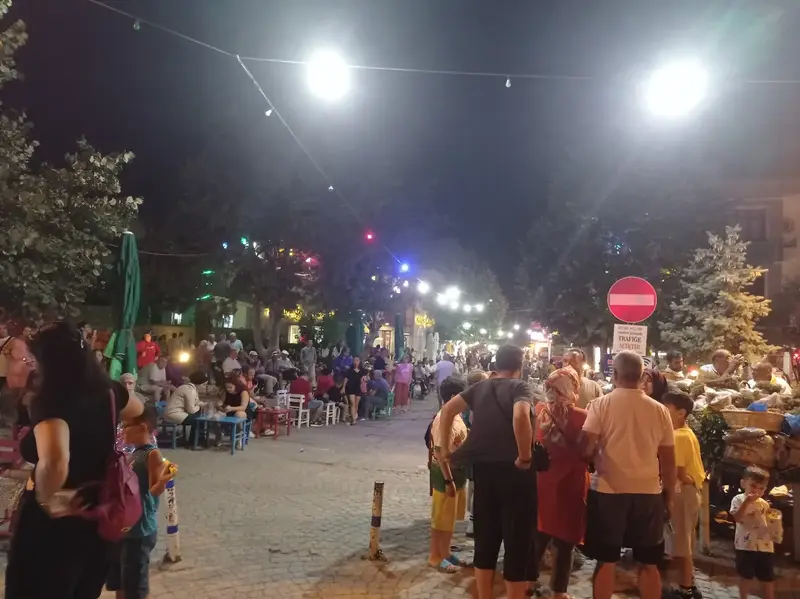
Since 2011, Gökçeada has been Turkey's first and only slow island, a member of the Cittaslow network. With its philosophy of slow living, local production, and nature conservation, this corner of the Aegean has chosen to be an island that stands against speed.