What to Eat on Gökçeada (Imbros)? Local Flavors & Best Spots
From the moment you set foot on Gökçeada (Imbros), the island's cuisine has a story to tell. It begins with olive oil pressed from 300-year-old trees, starting with the local Ladolia variety, and continues with stone-ground dibek coffee. But the real story begins in a seaside taverna, standing before a meze counter.
The Three Pillars of Island Cuisine
Three powerful sources shape Gökçeada's cuisine: fresh seafood, kid goat and goat meat, and the meze culture rooted in Greek-Aegean traditions. These are inseparable; every restaurant table brings these three together.
Seafood: The Aegean waters surrounding the island offer fresh catches daily. Red mullet, sea bass, dentex, and horse mackerel are seasonal fish. Summer-autumn is considered the best seafood season. But Gökçeada's true symbol isn't fish—it's octopus.
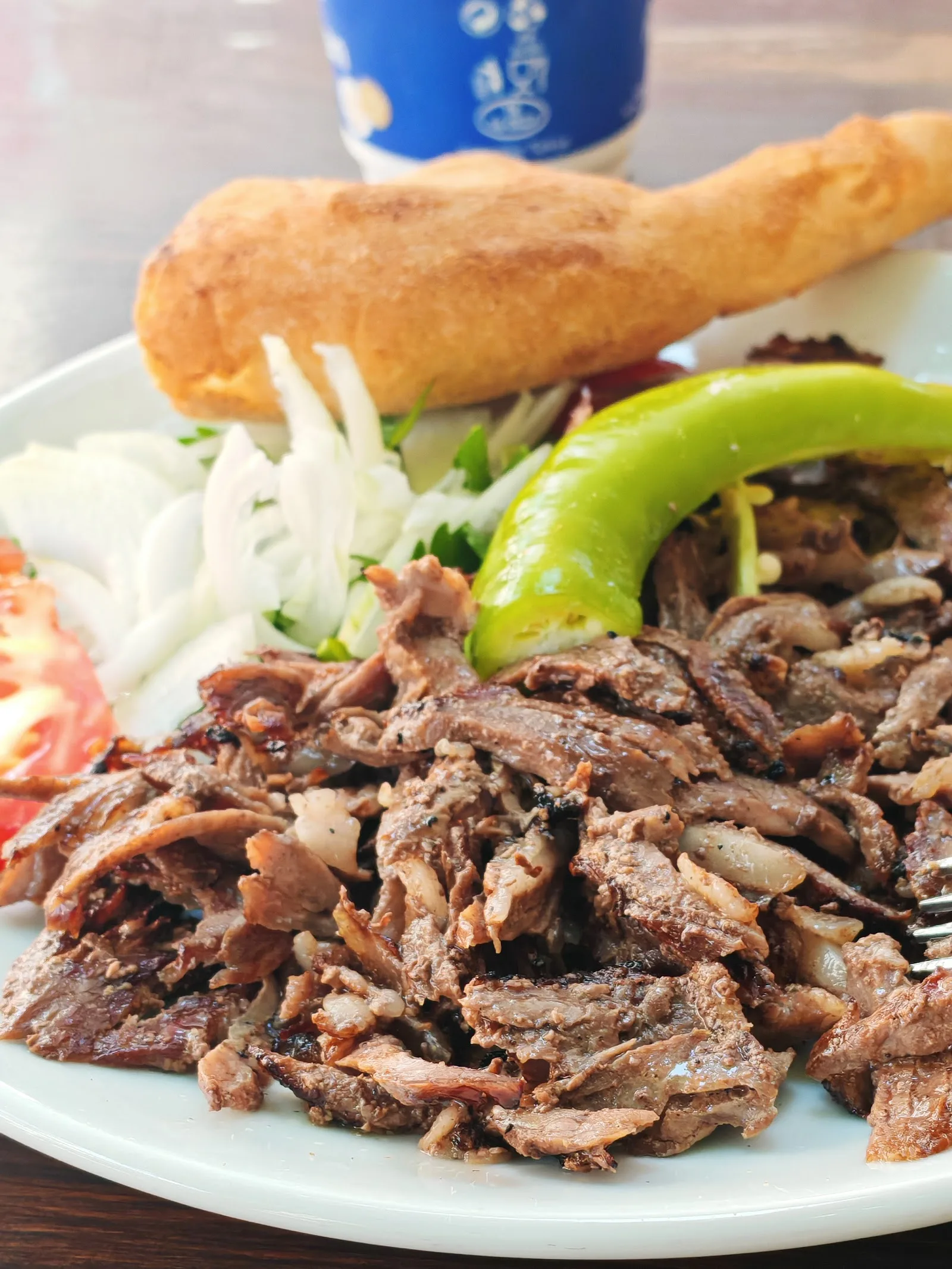
Kid goat and goat: The island's goats feed on steep cliffs and aromatic herbs, directly influencing the meat's flavor. Kid goat slow-cooked in a tandoor (clay oven) falls apart at the touch of a fork.
Greek-Aegean meze tradition: Gökçeada's demographic history has given its cuisine a deep Greek identity. This identity materializes in the meze counter: a selection of 20–25 varieties that changes daily and evolves with the seasons.
The Island's Icon: Octopus Five Ways
Visiting Gökçeada without eating octopus means leaving with a sense of incompleteness. The island's restaurants serve this sea creature in five distinct ways:
- Dried octopus: Dried for days in salty sea breezes until firm, then grilled to a crispy finish.
- Grilled octopus: The purest and most common form, served with lemon and olive oil.
- Octopus with beğendi (eggplant purée): Meets the silky texture of roasted eggplant—a beautiful fusion of Aegean and Ottoman cuisines.
- Spicy lemon octopus: Intense flavor from chili peppers and fresh lemon juice.
- Octopus beyti: The island's surprise creation—diced octopus wrapped in lavaş (thin flatbread) instead of minced meat.
When You Stand Before the Meze Counter
When you enter a Gökçeada restaurant, the waiter usually leads you not to a table but to the meze counter. This is part of the island's hospitality. Just stand in front of the counter and say what you want; you'll typically choose from 20 to 25 varieties.
Standard mezes include: roasted eggplant salad, sea asparagus (samphire), fava (split pea purée), artichokes in olive oil, stuffed vine leaves, zucchini with yogurt, and haydari (strained yogurt dip). But what makes Gökçeada special are the unique varieties beyond the standards:
- Mastic Gum Imroz Cacık (tzatziki): Yogurt and cucumber meet the light resinous aroma of mastic gum. You won't find this combination elsewhere.
- Wild Purslane with Yogurt: A seasonal flavor collected in spring and blended with fresh yogurt.
- Sour Cherry Stuffed Vine Leaves: The sweet-sour balance of rice and sour cherries—an unexpected twist on the classic dolma.
- Demeter: A crunchy-sour meze born from the union of green apple, beetroot, and garlic.
- Sesame Goat Cheese: A protein-rich starter with fresh goat cheese base and sesame paste.
- Grilled Roman Artichoke: Organic artichokes from the island's agricultural heritage, cooked over charcoal.
Island-Specific Delicacies
Some flavors are found only on Gökçeada; you won't encounter them anywhere else.
Imroz Sarma (Stuffed Vine Leaves)
A geographical twist on classic stuffed vine leaves. Made with a combination of minced meat and caul fat. The leaves carry a subtle acidity that balances the richness of the filling, creating a unique flavor balance.
Kid Goat Börek (Pastry)
The island's most creative fusion flavor. Crispy tandoor kid goat wrapped in baklava dough on a bed of goat cheese. Layered pastry, creamy cheese, and smoky tandoor aroma meet in a single bite.
Stuffed Zucchini Blossoms
A seasonal delicacy available only in early summer when the flowers bloom. The blossoms are filled with a rice, mint, and olive oil stuffing, then steamed or baked.
Almond Cookies
A traditional sweet made with almonds grown in the island's orchards. The signature product of Efibadem / Meydanı Pastanesi in the center, it's one of the first souvenirs visitors take from the island.
Greek Cuisine Identity: Authentic Tavernas
Gökçeada's shared Greek-Turkish history has left lasting marks on its cuisine. Authentic Greek tavernas still operating on the island keep this heritage alive.
Loukoumades: A dessert shared by Greek and Turkish cuisines. Deep-fried dough puffs turn golden, served with liquid honey and walnuts.
Souvlaki: Charcoal-grilled meat skewers whose aroma fills the streets, especially on summer evenings. Served with pita bread in Greek tavernas as standard.
Mastic Gum Pudding: The light resinous taste of mastic gum meets a milky dessert, offering a complex flavor layer compared to plain pudding.
Greek Mezes: Tzatziki, feta-based salads, olive oil legumes, and seafood mezes can be found in authentic Greek meyhanes (tavernas).
Local Wine: From Endemic Grapes to Bottle
Viticulture on Gökçeada dates back to 2900 BC. This deep history has preserved the island's endemic grape varieties: Kalabaki, Vasilaki, and Mavropali.
Nusretbey Wines, founded in 2000, became Turkey's first organic grape grower. Over 40 grape varieties are cultivated in the 600-dönüm (approx. 60-hectare) Kabya Vineyards, with gravity-assisted production on sloping terrain at 300 meters altitude. Besides wine, the same farm sells olive oil, honey, almonds, and thyme; the tasting house is open to visitors.
Additionally, Tini Bağcılık produces natural wine at home-wine quality using century-old island techniques, available for purchase from their cellar in the center. Imroz Nympha is a boutique producer standing out with biodynamic viticulture.
When pairing Gökçeada wine with your meal, use this guide: white wine from Kalabaki for fish and seafood; red wine from Mavropali for kid goat tandoor and meat dishes.
If you're curious about Gökçeada's local products, don't forget to check out our guide to Gökçeada's local products.
Dibek Coffee: A Ritual
In the old cafés of Zeytinliköy and Kaleköy, you can hear the sound of coffee being pounded in stone mortars in the morning. Dibek coffee is pounded, not ground; this difference partially preserves the grain integrity and gives a smoother taste. Barba Hristo's place continues this 70-year-old tradition.
Restaurants and Venues: Where to Go?
İmroz Poseidon (Kaleköy)
The island's most famous fish restaurant. Dining on fish at sunset on its terrace overlooking Kaleköy harbor is one of the most shared Gökçeada experiences on social media. Reservations 1–2 weeks in advance are essential in summer. About 5 km from the center.
Barba Yorgo Taverna (Tepeköy)
One of the island's oldest venues. You dine in a courtyard covered with vine trellises among the stone houses of Tepeköy. Live music and dancing take place in summer. The top choice for those seeking an authentic Greek taverna atmosphere. 8 km from the center.
Fengari Restaurant (Kaleköy)
Stands out with its meze counter offering up to 25 varieties and expertise in octopus. The sea-view terrace is especially preferred for dinner. Unique mezes like Mastic Gum Imroz Cacık and Kid Goat Börek can be found here.
Son Vapur Restaurant (Zeytinliköy)
Known for kid goat tandoor and olive oil dishes. Located in the peaceful atmosphere of Zeytinliköy, 3 km from the center. Reservations recommended in summer.
Mustafa'nın Kayfesi
The most famous Sunday morning spot. Homemade organic breakfast served with views of green hills and the sea. Honey, goat cheese, fresh tomatoes, organic eggs, and homemade jams make up the classic breakfast spread.
Other Recommended Venues
- Eleni Rum Tavernası (Kaleköy Harbor) — classic Greek meyhane, fresh fish
- To Steki Tis Angelikis — live music, dancing, authentic Greek taverna
- İlissos (Zeytinliköy) — Greek-style moussaka, artichokes with couscous
- Dami Meyhane (Zeytinliköy entrance) — Greek mezes, calm atmosphere
- Keçi İmroz (Zeytinliköy) — kid goat tandoor specialist
- Merkez Lokantası — affordable kid goat tandoor and island meatballs, 300–600 TL per person
- Patika Balık — live music, mezes 100–130 TL
- Dimitri Ada Evi — sunset view, grilled octopus
Vegetarian and Vegan Options
Aegean olive oil cuisine is inherently vegetarian-friendly. The majority of the meze counter is already meat-free. Sea asparagus, fava, artichokes, roasted eggplant salad, stuffed vine leaves, olive oil greens, and legume mezes contain no animal products or use only olive oil. Especially in spring and early summer, wild greens mezes become abundant: wild purslane, sorrel, watercress, and island thyme appear seasonally in the meze counter.
The Gökçeada farmers' market, held every Sunday in the Çınarlı neighborhood of the center, is one of the most recommended experiences by visitors. Island producers set up stalls here: pine and thyme honey, goat cheese varieties, Ladolia olive oil, grape molasses, island thyme and dried herbs, homemade tomato paste, and pickled olives. The liveliest period for market shopping is June–September.
If you're looking for accommodation on Gökçeada, consider hotels like Fengari Hotel or İmbros 1882. You can also find other restaurants and accommodations in our business directory.
Price Guide (2025)
- Meze varieties: 100–150 TL per portion
- Main courses: 300–500 TL
- Glass of wine: 120–180 TL
- Meze + fish + drinks for two: 2,000–3,000 TL (high-end)
- Local eateries: 300–600 TL per person
- Breakfast: 250–500 TL per person
What to Eat by Season
Summer (June–September): All restaurants open, widest meze variety, stuffed zucchini blossom season, abundance of fresh fish, live music nights.
Spring (April–May): Wild greens season. Purslane, sorrel, watercress, and thyme appear fresh in the meze counter. Kid goat season. Quieter and more authentic atmosphere.
Autumn (October–November): Ideal for olive oil and wine shopping during olive and grape harvest. Some restaurants begin to close, but those that remain offer a more intimate setting.
Winter: Many tavernas close for the off-season. The few open venues become local gathering spots, offering a unique atmosphere for those wanting to experience real island life. If you're considering visiting Gökçeada in winter, check out our Gökçeada winter guide to plan your trip.
Practical Tips
- Always check the meze counter—the selection changes daily, with seasonal surprises.
- Don't leave without ordering octopus; the grilled version is the safest starting point.
- Try dibek coffee at the old cafés in Zeytinliköy or Kaleköy.
- Do a wine tasting at Nusretbey Tasting House; you'll learn about the island's endemic grapes and can shop for organic products.
- Try to visit the Sunday farmers' market for fair prices and direct contact with producers.
- Make reservations at least one week in advance for İmroz Poseidon, Barba Yorgo, and Son Vapur during summer.
- Renting a car or motorcycle greatly facilitates travel between restaurants in the villages. If you want information about Gökçeada minibus schedules, check out our related guide.
Gökçeada's cuisine is a distillation of the island's geography, history, and culture. Every bite carries the traces of lives lived here, cultures blended, and traditions preserved. When you sit down at the table, what lies before you is not just a plate—it's an entire island story.
📍 Merkez (Çınarlı) — Harita
📍 Bu Bölgedeki İşletmeler
🍽️ Yeme & İçme
🏷️ Etiketler: