Gökçeada (Imbros) Settlement Villages: History & Migration Stories of 5 Villages
- 5 settlement villages were established on Gökçeada between 1960-2000: Şahinkaya, Yeni Bademli, Uğurlu, Eşelek, Çirinkoy
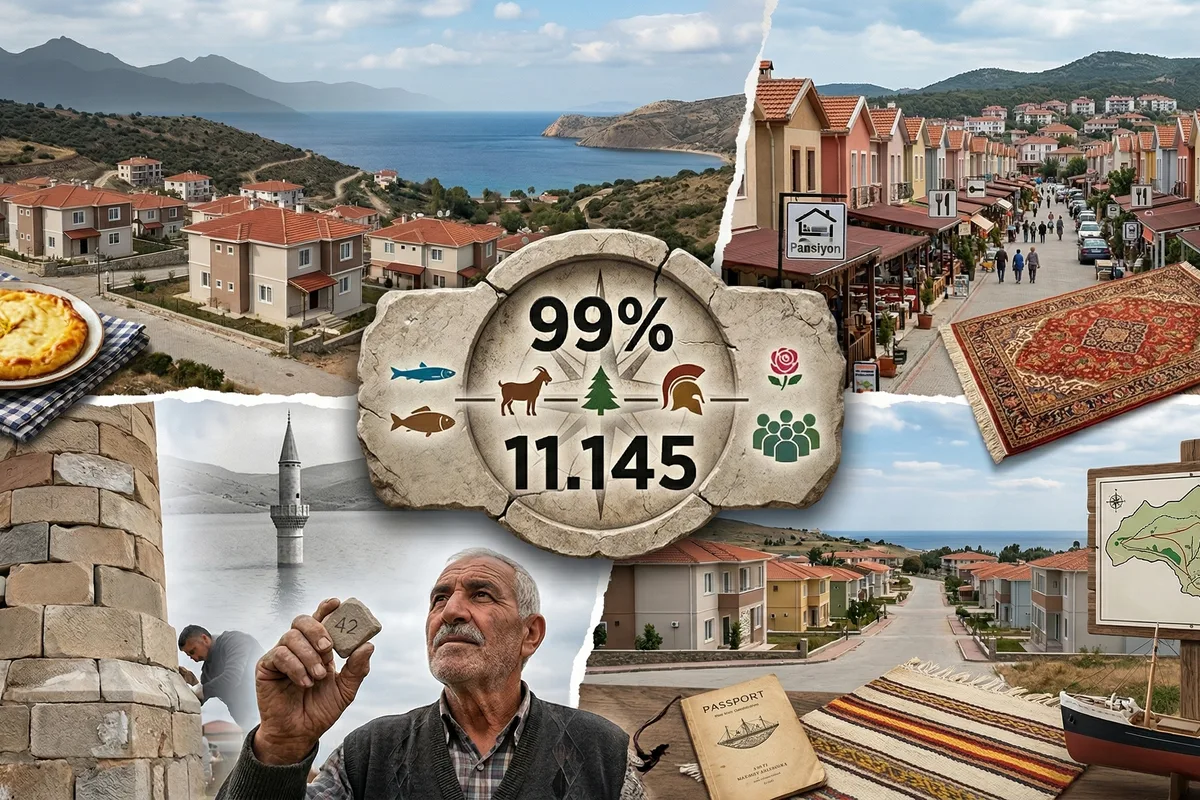
- In 1923, 99% of the island was Greek; today the total population has reached 11,145 (2024 TÜİK)
- Villagers from Eşelek numbered and carried the stones of their old mosque's minaret to the island
- Each village came from a different region: Black Sea, Burdur, Muğla, Biga, Bulgaria
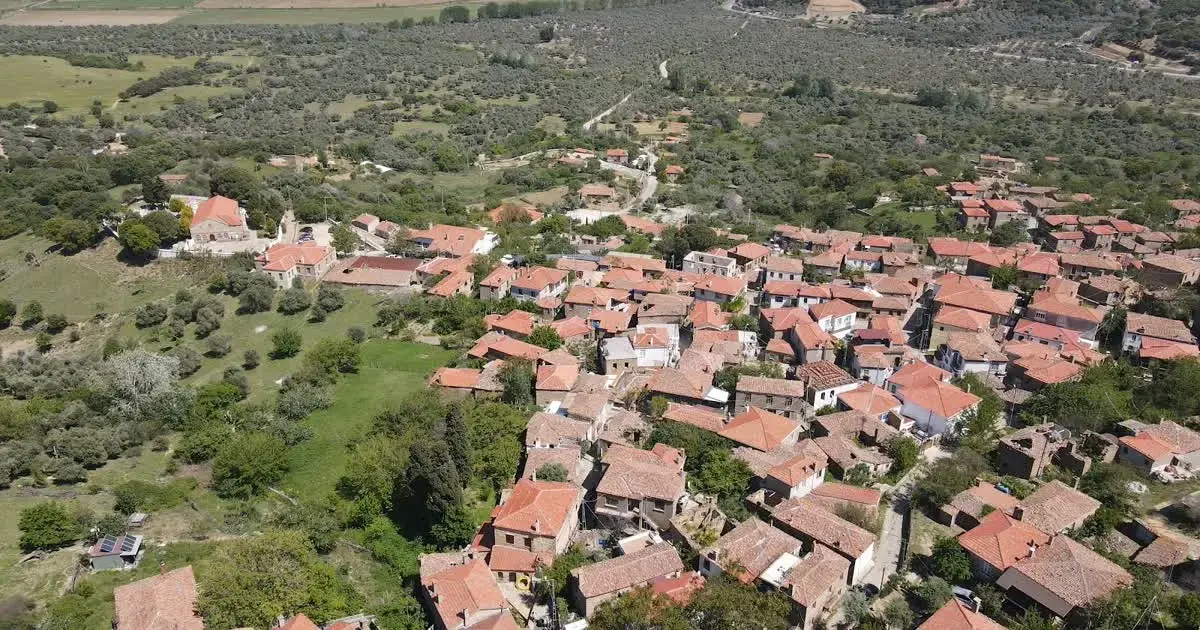
Living on Gökçeada is like constantly stepping on layers of history. I still get surprised when I hear the founding stories of some villages. The island's Greek villages — Zeytinliköy, Tepeköy, Kaleköy — immediately catch your eye with their stone architecture. But the 5 settlement villages established with families brought from all over Anatolia between the 1960s and 2000 form the invisible yet equally deep second layer of the island.
Gökçeada's Demographic Transformation
When Imbros joined Turkey with the 1923 Treaty of Lausanne, about 8,500 people lived there, 99% of whom were Greek citizens. By 1950, there were only 200 Turks against 6,125 Greeks on the island. Starting in the 1960s, policies and the 1970 National Security Council decisions radically changed the demographic structure.
This change was not random. Residents of villages whose lands were expropriated for dam construction were prioritized. This gave displaced families a fresh start while increasing the island's population.
| Info | Details |
|---|---|
| Total settlement villages | 5 villages (1960-2000) |
| Entry fee | Free (open-air settlements) |
| Transport on the island | Rental car or scooter recommended |
| Recommended time | At least 3 full days for all villages |
| Best time to visit | May-June, September-October |
| Accommodation | Plenty of guesthouses in Yeni Bademli |
| Ferry | From Kabatepe, ~1.5 hours in summer, ~2 hours in winter |
Chronology of Settlement Villages: Who Came from Where?
Şahinkaya Village (1960s – 1973/1974): The First Step
Gökçeada's first Turkish settlement village. It was founded by Black Sea families from the village of Şahinkaya (Şur) in Çaykara, Trabzon. The first settlers arrived in the 1960s, and official settlement was completed in 1973-1974. About 61 families settled on the island. Located in the north, the village took its name from its old village in Trabzon.
Last summer I stayed at a guesthouse in Şahinkaya; breakfast included kuymak (a Black Sea cheese and cornmeal dish), with the Aegean Sea in front of me. That contrast makes you smile. They brought the Black Sea's anchovy and corn culture here. The village is small, the road a bit narrow, but that warm atmosphere is unmatched.
Yeni Bademli Village (1984): The Most Populous Settlement Village
Established in 1984 with families brought from different provinces like Isparta, Burdur, Samsun, Trabzon, and Giresun. Today it's the island's most populous village and the center of guesthouse tourism. The livestock expertise from the Burdur-Bucak region is still kept alive in the village. Don't confuse it with the old Bademli Village — Eski Bademli is a Greek village, Yeni Bademli is a settlement village.
Parking is tricky, especially in August. But there are many accommodation options, and prices are reasonable compared to other villages.
Uğurlu Village (1984): The Quiet Corner of the Southwest
Founded the same year as Yeni Bademli, Uğurlu was settled with families from Muğla and the Burdur-Bucak region. Located in the southwest of the island, it's an increasingly discovered spot with its secluded coves and sunset views. Uğurlu is one of the island's quietest corners. It's deserted in winter, but that has its own charm. Livestock and farming are still the main livelihoods.
If you find yourself in Uğurlu, you can try local flavors at Ömer'in Yeri.
Eşelek Village (1998): The Village That Carried Its Minaret on Its Back
Every time I tell Eşelek's story, the person across from me gives the same reaction: "Really?" Yes, really.
The village's origins date back to 1561, to Oğuz-Yörük nomads. After centuries of living in Biga, Çanakkale, the people of Eşelek were forced to leave their homeland in 1994 due to the construction of the Bakacak Dam and were resettled on Gökçeada in 1998.
But the villagers carried not just their suitcases, but their identity. Saying "for memory's sake," they dismantled the stones of their old mosque's minaret one by one, numbered them, and brought them to Imbros by truck and ship. In 2001, the minaret was re-erected. Today, that minaret stands in the village square as a silent witness to 900-year-old roots.
Even more interesting: when the water level in the Bakacak Dam drops, the submerged old Eşelek village reappears. A ghost village that occasionally makes the news.
Çirinkoy (2000): The Last Wave, Balkan Origins
The newest village on Gökçeada. It was opened in 2000 for Turkish immigrants from the 1989 forced migration from Bulgaria. In this 150-household village, about 90 households stay in winter. The people of Çirinkoy have initiated a transition to organic livestock farming and have applied for a certified organic livestock certificate by securing Ufuk Tepe as pasture. This village, bringing Balkan culture and handicrafts to the island, is a quiet but determined community.
If you're looking for organic products and local flavors, check out Gökçeada's local products as well.
Settlement Villages vs. Greek Villages: Architectural Differences
Locals usually notice the difference immediately: settlement villages consist of planned, concrete, mostly two-story orderly structures. They lack the centuries-old stone architecture and organic village fabric of Greek villages like Zeytinliköy, Tepeköy, or Kaleköy. When you visit Tepeköy and Yeni Bademli back-to-back, this contrast becomes striking.
If you want to understand the island's different historical layers, I recommend visiting the settlement villages and Greek villages comparatively. Most visitors only go to the Greek villages; settlement villages are skipped but are equally instructive stops.
For more on Gökçeada's cultural heritage, you can read our related blog post here.
- Greek villages: Stone houses, organic fabric, narrow streets, centuries old
- Settlement villages: Concrete, orderly plan, 1960-2000, state-led
- Common ground: Both groups now make a living from guesthouses and farming
- Difference: Greek villages attract tourists, settlement villages tell stories
Frequently Asked Questions
Is there an entry fee to visit Gökçeada's settlement villages?
No, all villages are open-air settlements and free to enter. You can just go, wander around, and have a coffee.
Is the minaret story in Eşelek village true?
Yes. The stones of the minaret from the old village in Biga were dismantled one by one, numbered, transported by truck and ship, and re-erected in the new village on Gökçeada in 2001.
Can the old Eşelek village under the Bakacak Dam be seen?
During periods when the dam water recedes, especially in summer drought, the 900-year-old village ruins emerge above the water. It occasionally gets media coverage.
How do I get to Gökçeada?
By ferry from Kabatepe Port. In summer, ferries run every two hours, crossing time about 1.5 hours. In winter, 2 ferries per day, crossing time about 2 hours. Check our ferry schedules page for current information.
Are the settlement villages touristy?
Less touristy compared to Greek villages. But Yeni Bademli attracts with guesthouse tourism, Eşelek with its minaret story, and Uğurlu with its secluded coves. Their real value lies in concretely showing the island's migration history. If you want to get to know the island better, check out our village-specific travel guide.
📍 Bademli — Harita
📍 Bu Bölgedeki İşletmeler
🍽️ Yeme & İçme
🏪 Diğer İşletmeler
🏷️ Etiketler: