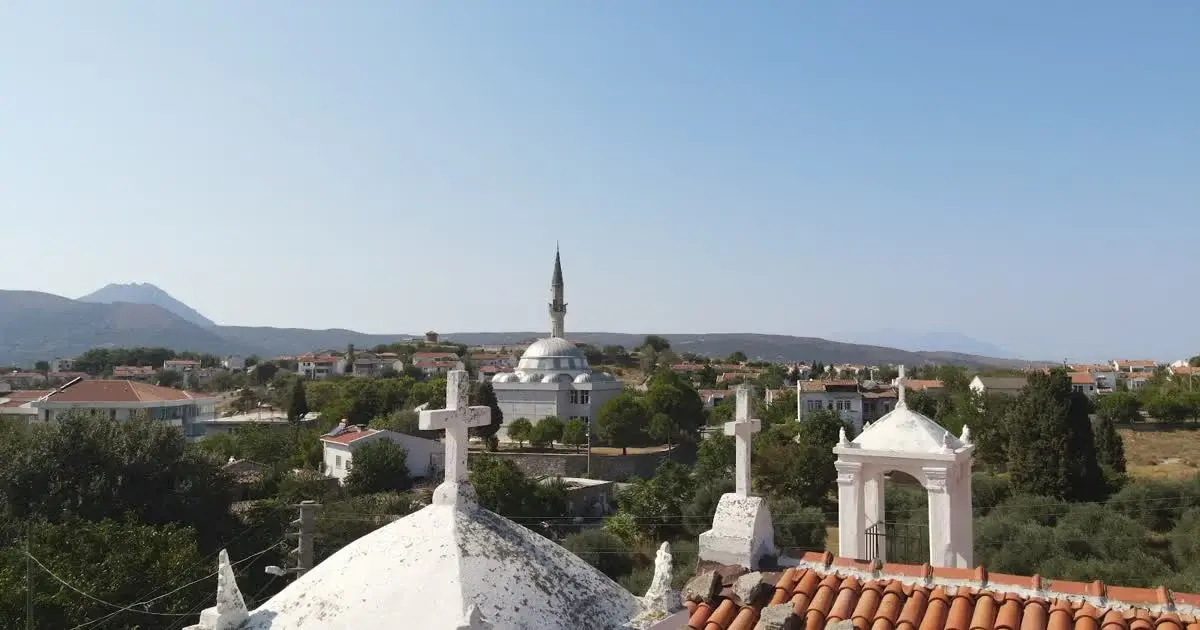
Gökçeada Culture: Greek-Turkish Heritage & Living Traditions
- Gökçeada is Turkey's largest island, where Greek and Turkish cultures have coexisted for centuries
- The Feast of the Assumption (Meryem Ana Panayırı) in Tepelöy, celebrated annually on August 14-16, is the island's biggest event
- There are about 360 chapels and 5 active churches across the island
- Since 2011, it has been the world's first and only Cittaslow (Slow City) island
- The Ladolia olive grows exclusively on Gökçeada in all of Turkey
Where do you even begin describing the culture of Imbros? Last autumn, I was invited to a dinner in Zeytinlikköy; as soon as my Greek neighbor opened the door, she pressed a glass of black mulberry liqueur into my hand. At the table, Turkish, Greek, and occasionally a few English words mingled. That's Gökçeada for you — you can't separate the cultures even if you try, and nobody wants to anyway.
This island has been home to people since the 6th century BC. Gökçeada became part of the Republic of Turkey with the Treaty of Lausanne in 1923, and thanks to special rights granted to the Greek minority, the two cultures grew side by side. You see this blend in everything: from cuisine to architecture, music to daily life.
Greek-Turkish Cultural Blend
The Silent Testimony of Stone Villages
The first thing I noticed when I went to Tepelöy was that the village is invisible from the sea. Turns out this was a deliberate choice — Greek villages were built on slopes hidden from the sea to protect against pirates. The same goes for Dereköy and Zeytinlikköy. This architectural preference etched centuries of defensive instinct into stone.
Think of Dereköy: once one of the largest villages in the Aegean islands, with about 2,000 households, over 20 coffeehouses, and 2 cinemas. The village's stone-arched laundries were women's social hubs. These structures are now awaiting restoration but still stand. As you walk past, you can almost hear the stories seeping from the walls.
1964 and After
Starting in 1964, the island's Greek population experienced a sharp decline — from 6,000 down to a few hundred. But those who remained stubbornly preserved the cultural heritage. Churches stayed open for worship, the Panayır tradition never broke, and Greek continued to be spoken. This morning at the bakery in Kaleköy, an elderly Greek woman greeted me in Turkish and said goodbye in Greek — the island's daily language blends that naturally.
| Info | Details |
|---|---|
| Location | Çanakkale Province, Aegean Sea |
| Transport | Kabatepe-Gökçeada ferry (~1 hour) |
| Cittaslow title | Since 2011 (world's first and only Slow Island) |
| Active churches | 5 (Zeytinlikköy, Tepelöy, Dereköy, Çınarlı) |
| Chapels | ~360 across the island |
| Greek villages | Tepelöy, Dereköy, Zeytinlikköy, Kaleköy, Eski Bademli |
| City Museum | Weekdays 09:00-19:00, adults 50 TL |
| Best time to visit | April-May or September-October |
Festivals and the Panayır Tradition
Feast of the Assumption (August 14-16)
If you haven't been to Tepelöy in mid-August, you don't know the island. The Feast of the Assumption, celebrated annually from August 14-16, is Gökçeada's oldest and most crowded event. Former islanders from Greece, Germany, and all over the world return with their children and grandchildren. On the 14th, animals are slaughtered and put into giant cauldrons. On the 15th, in the village square, everyone — Greek, Turkish, local, tourist — eats from the same pot. The sirtaki starts, goes past midnight, and lasts until dawn.
Last August, I joined the sirtaki circle in the square. On one side was a young couple from Istanbul, on the other a 70-year-old Greek grandmother who had returned from Athens. We were teaching each other the steps. That's the Panayır: a table and a dance that erase boundaries.
For more on Gökçeada's 8,000-year history from past to present, check out this article.
Other Events
- Herb Festival (May): A competition using herbs gathered from the island's rich flora, with a prize for the best herb dish
- International Gökçeada Motofest (September): A different kind of event that draws motorcycle enthusiasts to the island
- BIFED Film Days: Bozcaada-Imbros Film and Literature event, screenings at Namık Usta Open Air Cinema
- Grape Harvest (September-October): Harvesting of Vasilaki and Mavropali grapes, traditional wine-making
A word on accommodation: finding a hotel during the Panayır is nearly impossible. If you don't book at least a month in advance, consider bringing a tent — I'm serious.
Local Cuisine: Two Cultures Meet at the Table
Signature Flavors
Gökçeada's cuisine is born from the fusion of Greek and Turkish palates over centuries. At its core are four ingredients: olive oil, cheese, bread, and wine. The rest is garnish.
Cicirya (çiçirya) is the island's signature dish — a kind of pastry topped with goat cheese, mint, and milk. It's especially common in Zeytinlikköy. The first time I ate it, I thought it was pizza, then I realized the difference: the dough is thinner, the cheese sharper, the taste unlike anything else.
Octopus stew is cooked in olive oil with peppers and onions, with wine added. Swordfish roast — don't miss it if it's in season. For dessert, efibadem — a cookie made with roasted butter and almonds — goes well with tea. Koliva is made from boiled wheat; it's an integral part of Greek Orthodox memorial traditions.
Ladolia Olive and Island Wines
The Ladolia olive is an endemic variety that grows only on Gökçeada in all of Turkey — a cornerstone of the island's gastronomic identity. The oil from this olive has a unique aroma. As for wine: viticulture has been practiced here since 2900 BC. Wines made from Kalabaki, Vasilaki, and Mavropali grape varieties, nourished by the island's endemic flora, have gained international recognition with organic certification.
Sitting at Barba Yorgo's taverna in Tepelöy and drinking house wine is one of the island's most iconic experiences. Parking is tricky but worth it. Having dibek coffee at Madam's Kahvesi in Zeytinlikköy is another. These places operate seasonally — open from May to October; quiet in winter, but that's a different kind of beautiful.
Living Traditions and Music
Kantada: Nighttime Street Music
There's something called Imbros music, and it's a sound you won't hear anywhere else. A blend of Anatolian, Greek, and Thracian musical traditions. Villages had bands formed with violin, santur, and clarinet. This music, played and sung in the streets at night, is called "Kantada" — a nighttime serenading tradition unique to Imbros. Today, they try to keep this tradition alive at festivals.
In Greek families, guests could show up unannounced — so there was always cake, cookies, liqueur, and wine ready at home. This tradition continues. When you drop by a neighbor's, the first thing is to make coffee, served with almond fig jam or homemade black mulberry liqueur. One winter evening, when I knocked on a door in Dereköy, within five minutes I had a hot tea in my hand and a plate of cookies in front of me. She didn't know me, and it didn't matter.
Agricultural traditions are also alive: olive harvesting and oil pressing are still communal rituals. Goat farming, beekeeping, and organic farming supported by the Cittaslow title form the island's economic backbone. The mandra tradition — gathering animals and caring for them collectively — still lives on in the stories told by old villagers.
Religious Structures: Faiths Side by Side
There are about 360 chapels across the island — locals call them "monasteries." Scattered throughout the island for worship and spiritual protection, these structures can appear behind any hill. Among the active churches, Agios Georgios in Zeytinlikköy is the oldest. Evangelismos Teotoku in Tepelöy dates from 1832, with an old Greek cemetery next to it. In Dereköy, the churches of Hagia Marina and Koimesis Tis Theotokos are open for worship.
The Central Mosque in Çınarlı, dating from 1878, is the island's only original Ottoman-era structure. The mosque and the church are on different streets of the same village — nobody finds it strange; it's been this way for centuries. The island's geography has made this scattered settlement pattern natural.
Ecumenical Patriarch Bartholomew I was born in 1940 in Zeytinlikköy, Gökçeada. Known as the "Green Patriarch," Bartholomew makes regular visits to the island. His birthplace still stands and can be visited.
Frequently Asked Questions
Can you visit the Greek villages on Gökçeada? Are they open?
Yes, the villages of Tepelöy, Dereköy, Zeytinlikköy, Kaleköy, and Eski Bademli are freely accessible. All are protected as urban conservation areas. Just be respectful of private property.
Can anyone attend the Feast of the Assumption?
Absolutely. Celebrated on August 14-16 in Tepelöy, the Panayır is open to all visitors, not just the Greek community. Free food is distributed from the cauldrons, and the party with sirtaki lasts until dawn. For accommodation, book at least a month in advance via reservation.
How many days are enough for a cultural trip to Gökçeada?
Allow a minimum of 3-4 days to comfortably explore the villages, churches, museum, and taverns. If you're only doing a village tour, 2 days might suffice. Since distances between villages are 10-20 km, a car or rental ATV is recommended.
Where can you eat traditional Greek food on Gökçeada?
Barba Yorgo taverna in Tepelöy (famous for its house wines), Madam's Kahvesi in Zeytinlikköy (dibek coffee), and other taverns in Kaleköy and Zeytinlikköy offer traditional Greek cuisine. Most are open from May to October.
You can also visit Falia Taverna to experience traditional flavors.
What is the best time to visit Gökçeada?
For a cultural trip, April-May (spring, Herb Festival, quiet atmosphere) and September-October (grape harvest, Motofest, uncrowded villages) are ideal. If you want the Panayır experience, mid-August is unmissable — but be prepared for crowds.
📍 Merkez (Çınarlı) — Harita
📍 Bu Bölgedeki İşletmeler
🍽️ Yeme & İçme
🏷️ Etiketler: