Gökçeada (Imbros) Population: 8,000-Year-Old Island, 11,145 People Today
- According to 2024 TÜİK data, Gökçeada's population is 11,145 (5,998 male, 5,147 female)
- With a 38.8% increase over the last 5 years, it's the fastest-growing district in Çanakkale
- Winter actual population: 7,000–8,000; summer: between 30,000 and 50,000
- In 1960, the island was 92% Greek; today it has ~250–300 permanent Greek residents
- 4 resettlement villages: Şahinkaya (1960s), Yeni Bademli (1984), Uğurlu (1985), Şirinkoy (2000)
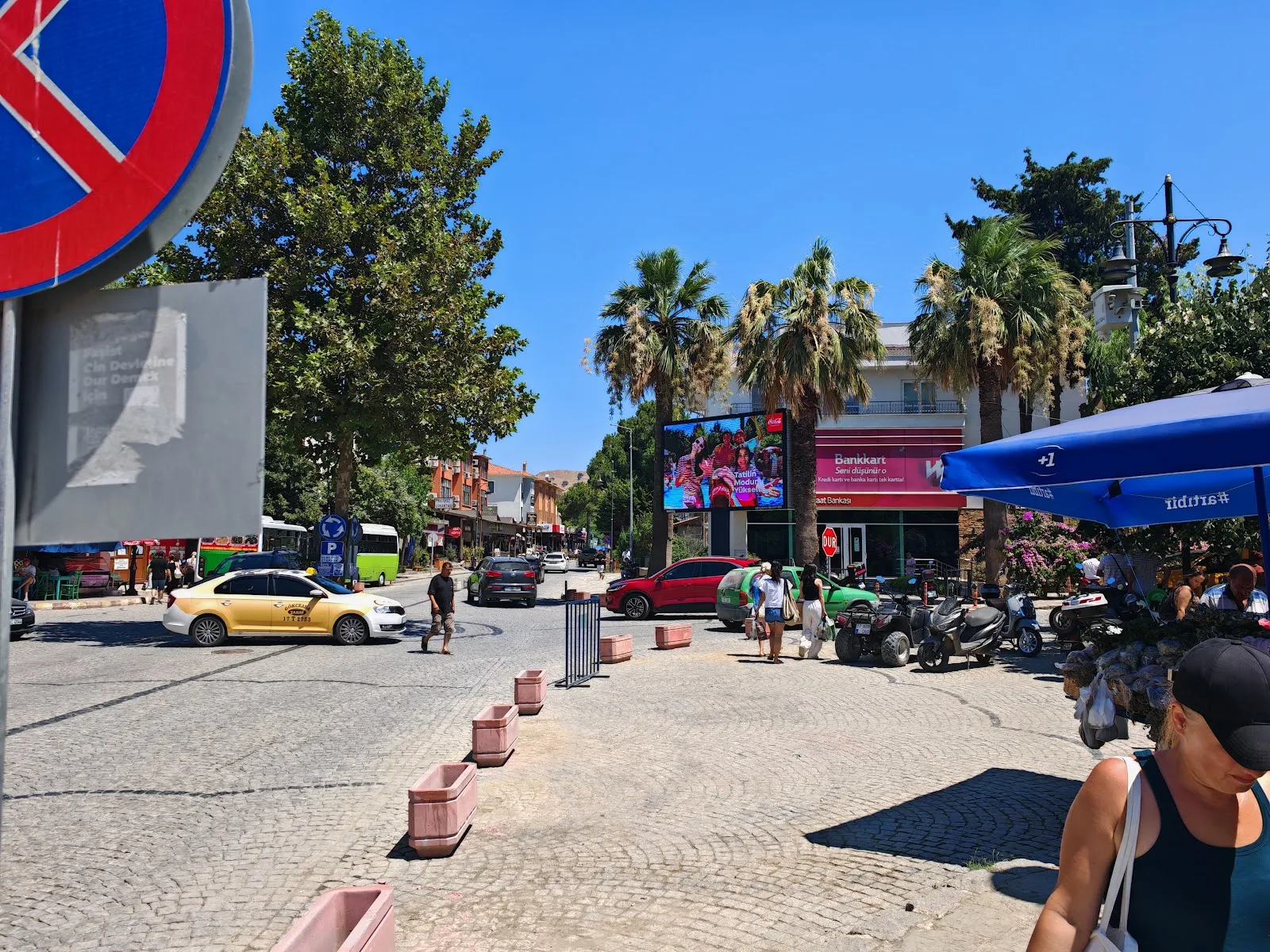
In winter, when you go to the market on Gökçeada, you can't leave without chatting with the cashier — everyone knows each other because the actual population is around 7,000–8,000. But on a July evening, when you're stuck in traffic driving from the town center to Kaleköy, you can hardly believe you're on the same island. That's Imbros's strangest contradiction: the numbers change every year, but the island's character never changes.
Current Population: What Do the Numbers Say?
According to 2024 TÜİK data, Gökçeada's registered population is 11,145 people. Of these, 5,998 are male and 5,147 are female. The male surplus is due to military personnel and seasonal workers — men coming for construction and agriculture in the summer months tip the balance.
| Info | Detail |
|---|---|
| 2024 population | 11,145 people |
| Male / Female | 5,998 / 5,147 |
| Winter actual population | ~7,000–8,000 |
| Summer estimated population | 30,000–50,000 |
| District center population | ~8,026 (72%) |
| Total village population | 3,119 people |
| 5-year increase | 38.8% |
| University | ÇOMÜ Gökçeada, 725 quota |
The population growth over the last five years is striking: from 9,440 in 2019 to 11,145 today. This means we are the fastest-growing district in Çanakkale province. Retirement migration, the university campus, and tourism investments are the three main drivers behind this increase.
Population Distribution by Village
Old Greek Villages
Last autumn I walked from Tepeköy to Dereköy. On the trail between the two villages, I didn't meet a single person for an hour. According to TÜİK, Tepeköy has a population of 256, but in winter you won't even see half of those 256. In Zeytinliköy, the official figure is 167 — 85 men, 82 women. What these villages have in common is that they are all former Greek settlements that emptied dramatically after the 1960s.
- Kaleköy (Kastro): Dating back to antiquity, an urban conservation area, ~200–300 people
- Eski Bademli (Gliki): The island's first guesthouse tradition, ~200–300 people
- Zeytinliköy (Aya Todori): Still the most concentrated Greek population, olive oil production center, 167 people
- Tepeköy (Agridya): At the foot of volcanic Aya Dimitri, the island's highest village, 256 people
- Dereköy (Sinudi): Once 1,950 households, 22 coffeehouses, 2 cinemas — today a ghost village
Resettlement Villages
One morning, while buying bread at the bakery in Yeni Bademli, I chatted with the baker; his family came from Isparta in 1984. "When my father came here, he saw the sea for the first time," he said. Gökçeada's resettlement villages are full of stories like this:
- Şahinkaya (1960s): Founded with families brought from Trabzon-Çaykara, the island's first resettlement village
- Yeni Bademli (1984): Families from Isparta, Samsun, Trabzon, and Giresun. Today the island's most populous village (~800–1,000 people)
- Uğurlu (1985–86): 100 households from Muğla-Milas Yörüks and Isparta-Burdur, 457 people. 25 km from the center
- Şirinkoy (2000): The island's newest village, built with 150 houses for Bulgarian Turks. In winter, 90 houses are empty
These waves of resettlement fundamentally changed the island's demographic structure. People from the Black Sea region, the Lakes region, Aegean Yörüks, and Balkan immigrants — each with different farming habits, different cuisines, different accents. Gökçeada today is not a single culture but a blend of at least five or six different migration stories.
The Dramatic Change in the Greek Population
This is Imbros's heaviest story. In the 1927 census, 97.5% of the island was Greek. In 1960, that ratio was 92% — 5,487 Greeks, 289 Turks. Then everything changed.
In 1964, Greek-language schools were closed. In 1965, fertile lands were expropriated for a military base, an airport, and an open prison. Prisoners released during the day roamed the villages; looting and violence hit Dereköy especially hard. A village of 1,950 households, 22 coffeehouses, and 2 cinemas dwindled to 20 people by 1986. Today, in its declared conservation area, abandoned coffeehouses, churches, and historic laundries stand as silent witnesses.
By 1970, the Greek ratio had fallen to 9%. Thousands migrated to Greece, some to the USA and Australia. But in the last twenty years, a reverse movement has begun: in 2013 a Greek primary school reopened, in 2015 a middle and high school, in 2016 a kindergarten. Today there are 250–300 permanent Greek residents in winter; in summer, with festivals and fairs, that number rises to 3,000. The Greek government provides a monthly stipend of 400 Euros to returnees.
Summer vs. Winter: Two Different Islands
At this time of year — late March — the streets in the center are empty after seven in the evening. Ferry services are down to two per day, morning and evening. In Tepeköy, not a single place is open. But three months later, finding a table for dinner in the same Tepeköy will be a challenge. Accommodations like Paleos Imroz will be hard to book.
Against the registered 11,145, the actual winter population is 7,000–8,000. University students, seasonal workers, summer residents — all withdraw in winter. In summer, the tourist influx begins: between 30,000 and 50,000, and according to Gökçeada İmroz Magazine, approaching 100,000 at the July–August peak. This strains everything from the water infrastructure to garbage collection — the water treatment plant was designed for a capacity of 14,500 people.
The profile of the summer crowd also changes year by year: weekenders from Istanbul and Thrace, diaspora Greeks, diving and surfing enthusiasts, ÇOMÜ students, and in recent years, voluntary settlers from the Netherlands and Germany. Gökçeada's cultural fabric is constantly reshaped by this mix.
Historical Population: From Venice to Today
The island's earliest known population record is from Venetian records of the 1470s: about 3,000 people, all Greek. In Ottoman tax registers, the population appears as ~2,800 between 1519–1530 and ~5,000 in 1569. In 1748, the population was still entirely Greek. With the Treaty of Lausanne, Imbros remained in Turkey and the Greeks were exempted from the population exchange — approximately 8,500 people in 1923.
An interesting detail: during World War I, Imbros was used as an air and naval base by ANZAC, British, and French forces for the Gallipoli front. This period did not directly affect the island's Greek population, but the island's strategic location has always determined its fate. If you're curious about how life changes on Gökçeada in winter, check out our related article.
Frequently Asked Questions
What is the population of Gökçeada?
According to 2024 TÜİK data, 11,145 people (5,998 male, 5,147 female). The 2025 estimate is approximately 11,334. However, the actual winter population is around 7,000–8,000.
How many villages are there on Gökçeada?
The district center (5 neighborhoods) and 9–10 villages: Kaleköy, Eski Bademli, Yeni Bademli, Zeytinliköy, Tepeköy, Dereköy, Uğurlu, Eşelek, Şirinkoy, and Şahinkaya. The total village population is 3,119, with 72% of the population living in the district center.
Do Greeks still live on Gökçeada?
Yes. There are 250–300 permanent Greek residents in winter; in summer, with festivals and returns, that number rises to about 3,000. Since 2013, Greek-language schools (primary, middle, high school, and kindergarten) have reopened.
What is Gökçeada's summer population?
In summer, the population ranges between 30,000 and 50,000. During the July–August peak, it sometimes approaches 100,000. Ferry services, which run twice daily in winter, increase to one every two hours in summer.
Why did Dereköy empty out?
After the expropriation of fertile lands in 1965 and the establishment of an open prison, security problems arose. A village of 1,950 households dwindled to 20 people by 1986. Today it is protected as an urban conservation area, but the permanent population is very small.
📍 Dereköy — Harita
📍 Bu Bölgedeki İşletmeler
🏷️ Etiketler: