Easter in Gökçeada (Imbros): Orthodox Celebrations on April 12, 2026
- Orthodox Easter falls on Sunday, April 12, 2026; Catholics celebrate on April 5
- Gökçeada's Greek population is 250–300 in winter, rising to 3,000 in summer
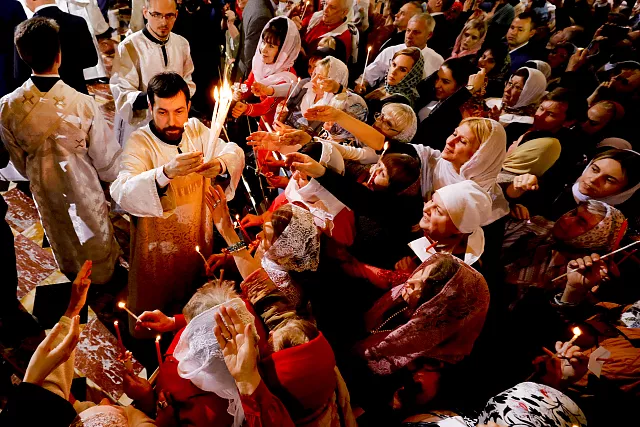
- Holy Saturday's midnight liturgy leads into Sunday's kurkuta feast
- Patriarch Bartholomew I was born in Zeytinliköy in 1940 and sometimes leads the service
- Kurkuta: lamb + cracked wheat + milk, cooked in cauldrons in churchyards
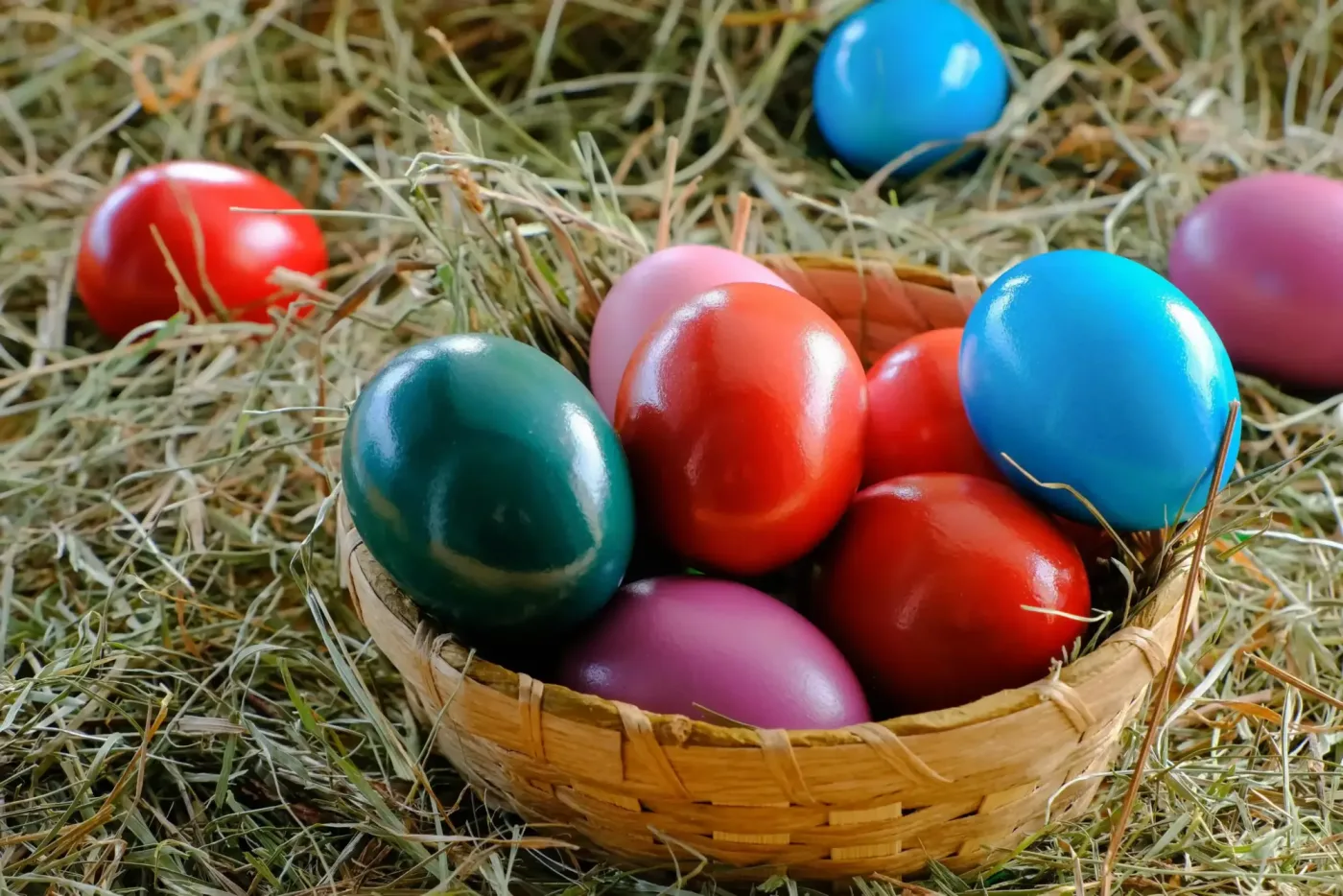
When I first came to Gökçeada, April meant nothing but wild mallows blooming in the mountains. Then, one Easter week in Zeytinliköy, I found myself amid layers of history. The sound of bells, the scent of candles, baskets of red eggs, smiling faces gathered around cauldrons... Imbros's 8,000-year story was right there that night.
Every April, Imbrian Greeks scattered across the world return to their villages. Stone houses light up, churchyards glow. In this post, I'll share the 2026 Easter calendar, village-by-village celebration details, and traditions — straightforward, no frills.
April 12, 2026: Orthodox Easter in Gökçeada
The date of Easter is the Sunday following the first full moon after the spring equinox (March 21). Because the Orthodox Church uses the Julian calendar, it often falls on a different day than Catholic Easter. In 2026, Catholic Easter is Sunday, April 5, while Orthodox Easter is Sunday, April 12.
The Greek community of Gökçeada is under the Ecumenical Patriarchate, so they celebrate on April 12. Thanks to families who have permanently returned to the island in the last 15 years, churches are coming back to life; both the population and festival attendance have noticeably increased since 2011.
| Info | Details |
|---|---|
| 2026 Orthodox Easter | Sunday, April 12 |
| Catholic Easter | Sunday, April 5 |
| Holy Week begins | Monday, April 6 |
| Midnight liturgy | Saturday, April 11, 11:00 PM |
| Easter morning liturgy | Sunday, April 12, 10:00 AM |
| Greek population in winter | 250–300 people |
| Greek population in summer | 3,000–4,000 people |
| Active churches | 7 (in 5 Greek villages) |
How Holy Week Unfolds
Greek families begin Great Lent 40 days before Easter — during this time, animal products are avoided, and meals focus on olive oil, fish, and vegetables. On the island, the aroma of fresh bread and pickles fills Greek homes, and neighborly bonds grow stronger.
- Holy Thursday: Commemoration of the Last Supper; red eggs are dyed
- Good Friday: A day of mourning; liturgies are quiet, bells are silent
- Holy Saturday: Preparation for the midnight liturgy — the most important service of the year
- Easter Sunday: Morning liturgy, communal meal, and dancing to end the day
The Easter Trail Starting from Zeytinliköy
The churches of Gökçeada were built in the early 19th century, most within a few years of each other. Each village has its own liturgy, its own kurkuta cauldron, its own ancient plane tree. You can stay in one village for Easter or rent a car and visit all four in a single day.
Zeytinliköy: The Patriarch's Birthplace
Zeytinliköy (Agios Theodoros) is considered the main center of the island's Greek community. About 60–70 Greeks live here in winter, swelling to 400–500 in summer. The village is known for its dibek kahvesi (mortar-pounded coffee) and stone streets, but at Easter, the village transforms completely.
The island's oldest church, Agios Georgios (1838), is here. Even more importantly: Ecumenical Patriarch Bartholomew I was born in this village on February 29, 1940. The Patriarch visits his birthplace several times a year; at Easter, he occasionally leads the liturgy himself. Whether he will come to the island this year should be checked in advance with local church officials.
Tepeköy: Under the Centuries-Old Plane Tree
Tepeköy (Agridia) is the island's highest village, home to 60–70 Greeks in winter. The 625-year-old plane tree in the village square is the heart of all island events. The village has two historic churches: Evangelismos Teotoku (1832) and Agridia Church (1834).
On Easter Sunday morning in Tepeköy, the sound of bells mingles with sirtaki music. Kurkuta cooks in cauldrons in the churchyard, and passersby are offered a plate. Finding accommodation in the village on Easter Sunday can be tricky — I recommend booking early.
Dereköy and Eski Bademli: Sleeping Villages Awaken
Dereköy (Shinudi) looks abandoned for most of the year; some stone houses have lost their roofs. But at Easter and the Panagia Festival, the village comes alive. Families from Greece and Australia gather in the churchyard, and kurkuta is cooked here too.
Eski Bademli (Gliki) is nearly empty in winter — just 2–3 people stay. In summer, the population rises to 150, and Easter is the first sign of this revival. When discussing the island's Greek heritage, I can't skip Bademli's tradition of muhallebi (milk pudding) and dibek kahvesi.
On the Easter Table: Tsoureki, Kurkuta, and Red Eggs
The Easter table is perhaps the most memorable part of the celebration. After the midnight liturgy, families return home to feast; on Sunday, the communal meal is held in the churchyard.
Kurkuta: The Churchyard Dish
Kurkuta (sometimes called keşkek) is the communal dish cooked by Gökçeada's Greeks at Easter and festivals. It's boiled for hours in large copper cauldrons: lamb is first boiled, then cracked wheat (specially milled) is softened with meat broth and milk, and salt is added. It's distributed to villagers and guests in the churchyard. The goal isn't just to feed, but to share.
Tsoureki: Symbolism in the Braid
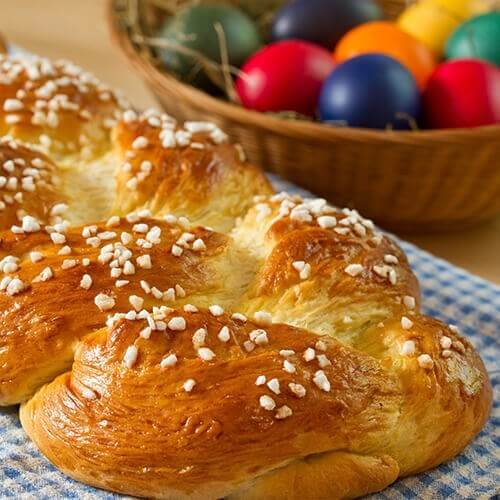
Tsoureki is a soft, braided bread flavored with mastic and mahleb. The three braids represent the Holy Trinity in Christian faith. A red-dyed egg is placed in the center of the tsoureki; the eldest family member breaks this egg with the words "Hristos Anesti!" (Christ is risen!), and the meal begins.
The Story of Red Eggs
Natural materials like onion skins, beets, and spinach are used to dye the eggs. The red color symbolizes the blood of Christ shed on the cross. Families dye one egg for each member; on Easter morning, everyone cracks their egg against others'. Legend says the person whose egg remains uncracked the longest will have good luck that year.
Tips for Spending Easter on the Island
If you want to be on the island for Easter 2026, I recommend planning for April 10–13. To catch the Holy Saturday midnight liturgy, arrive on the island by the afternoon of April 11 at the latest. Ferry schedules fill up during the holiday week — book tickets at least 7–10 days in advance.
- Accommodation: Some Greek houses in Zeytinliköy and Tepeköy operate as boutique hotels, quieter than the center. For example, Paleos Imroz in Tepeköy is a great option.
- Liturgy times: Vary by village; confirm with local church officials before you go
- Clothing: April weather on the island is changeable — bring a cardigan, raincoat, and closed-toe shoes
- Dress code: If attending a liturgy, dress modestly and respectfully
- Photography: Ask the service leader for permission before taking photos inside the church
Frequently Asked Questions
When is Orthodox Easter 2026?
Sunday, April 12, 2026. Catholics celebrate on April 5. Gökçeada's Greek community, under the Ecumenical Patriarchate, celebrates on April 12.
Can anyone attend the Easter liturgy?
Yes. Church services are open to everyone; you don't need to be Greek or Christian. The Saturday midnight liturgy lasts until about 2:00 AM. Please maintain silence during the service and ask permission for photos.
Does Patriarch Bartholomew come to Gökçeada every Easter?
No, not every year. He visits his birthplace in Zeytinliköy several times a year; Easter is sometimes one of those visits. The schedule is not confirmed far in advance, so follow local sources.
Is kurkuta only made at Easter?
No. Kurkuta is also cooked and distributed in churchyards during the Panagia Festival on August 15–17. For the island's Greek community, both Easter and the festival are associated with this shared dish tradition.
How do I get to the island during Easter?
Kabatepe-Kuzu Limanı ferry services increase during the holiday week. Tickets can be purchased at online.gdu.com.tr; due to crowds, booking a week in advance is recommended. Check the ferry schedule page for current departures.
How many days are enough for Easter on the island?
A minimum of 3 days is recommended. Arriving on Friday, April 10 and leaving on Monday, April 13 is ideal: it gives you time for the Saturday midnight liturgy, Sunday's communal meal, and Monday morning to explore the villages.
📍 Dereköy — Harita
📍 Bu Bölgedeki İşletmeler
🏷️ Etiketler: