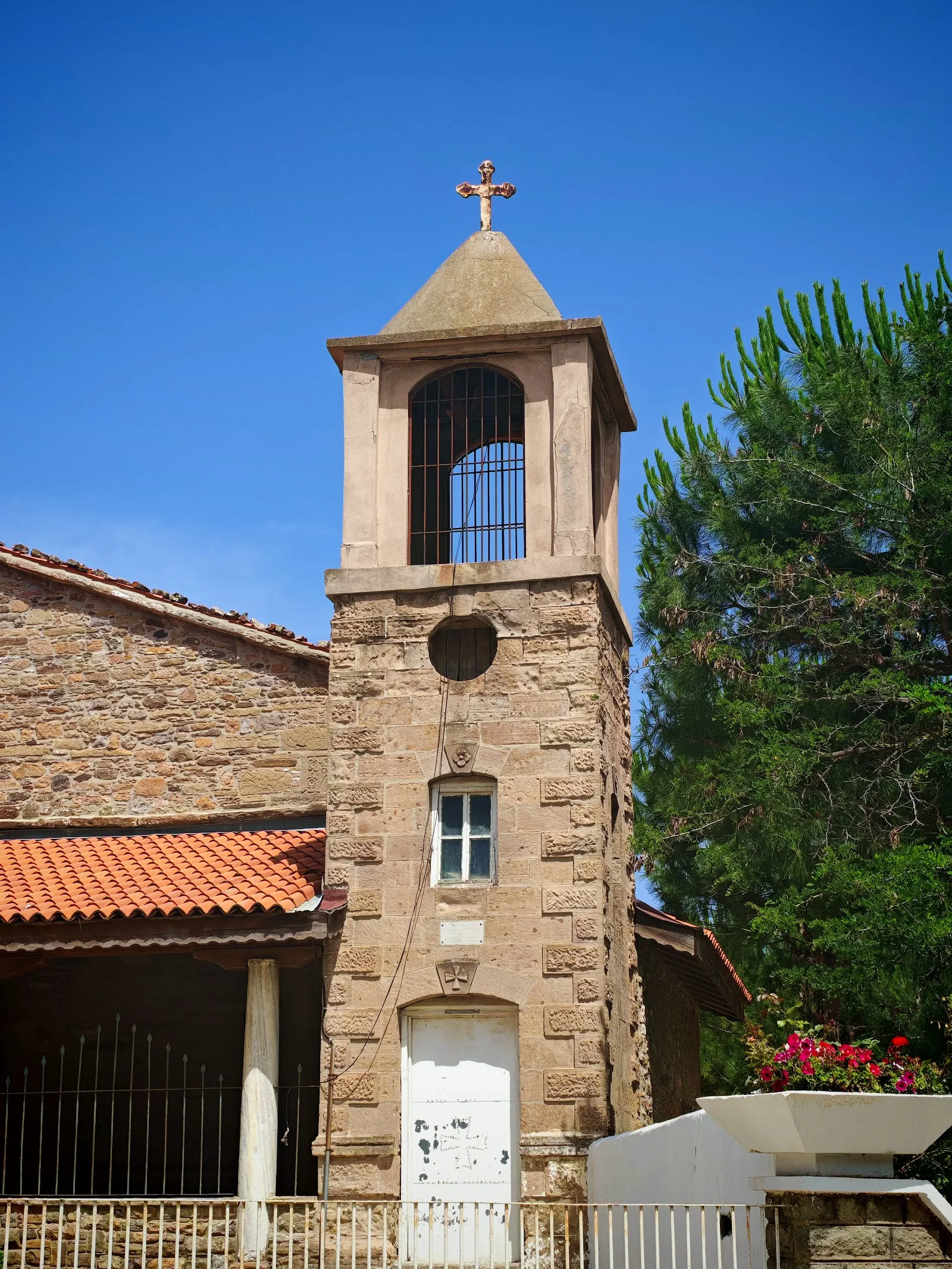
Gökçeada's Greek Heritage: Villages, Churches & Culture
- Gökçeada has 5 historic Greek villages: Tepeköy, Dereköy, Zeytinliköy, Kaleköy, and Eski Bademli
- 7 churches across the island are still open for worship; entry to villages and churches is free
- Year-round, around 300–600 Greek residents continue to live on the island
- The Panayır festival is celebrated annually on August 14–16 in Tepeköy
- Ecumenical Patriarch Bartholomew I was born in Zeytinliköy in 1940; his house is open to visitors
When I first came to Gökçeada, what surprised me most was the intertwined fabric of Turkish and Greek culture. Over the years, I only understood how deep this fabric is through neighborly relations, visits, and panayır festivals. Tourists usually rush to the beaches, see the sea, and leave. But the island's true soul is hidden in stone streets, church courtyards, and taverna tables.
The Five Greek Villages: Memory of Stone and Time
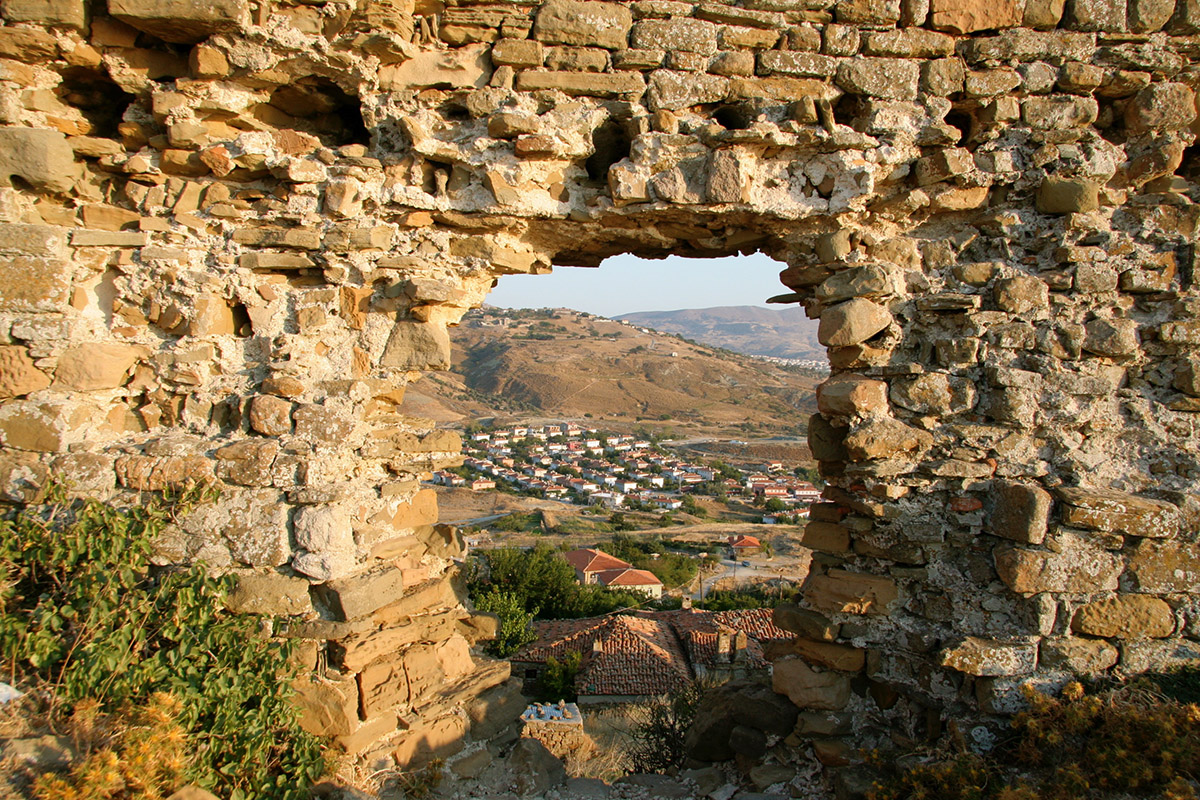
Imbros has five historic Greek villages, four of which are registered as urban conservation areas. Each has its own character and story. The farthest from the center is Tepeköy, about 12 kilometers away. Dereköy is 8 km, Zeytinliköy 7 km, and Kaleköy 5 km. So you can see them all in a day, but don't rush — these villages deserve a slow pace.
Tepeköy (Agridia) – The Heart of the Island
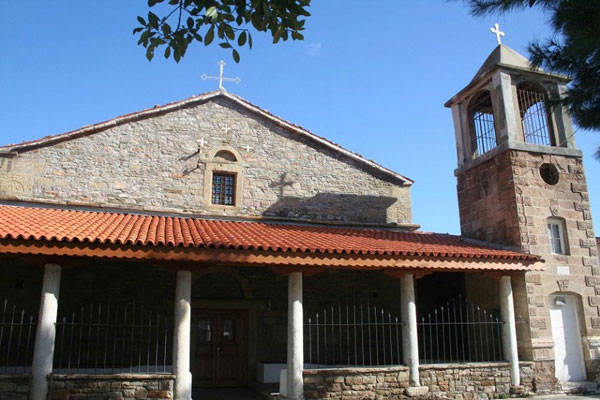
Tepeköy is where I spend the most time. Sitting under the 625-year-old plane tree and having coffee is one of those moments when time stands still. Last summer, during the Panayır festival, the village was filled with Imbrians from around the world. Sirtaki dancing, Orthodox liturgy, and the sacrificial feast — all in one evening. The Evangelismos Theotoku Church has stood since 1832, and its doors are wide open in August.
Parking is tricky but worth it. The smartest move is to park on the roadside at the village entrance and walk.
Dereköy (Şinudi) – Silent Witness
My heart ached the first time I went to Dereköy. It was once one of the largest villages in Turkey. Due to migration policies starting in the 1960s, it was largely emptied. Today, its stone streets, restored laundry house, and two active churches (Hagia Marina, Koimesis Tis Theotokos) feel like an open-air museum. In winter, it's quiet, but that has its own beauty — your footsteps echo off the stone walls.
Locals often call Dereköy a "ghost village," but I don't fully agree. In summer, restored houses show signs of life, flowers bloom in courtyards. It's not dead — it's sleeping.
Churches: Doors Open, Memory Alive
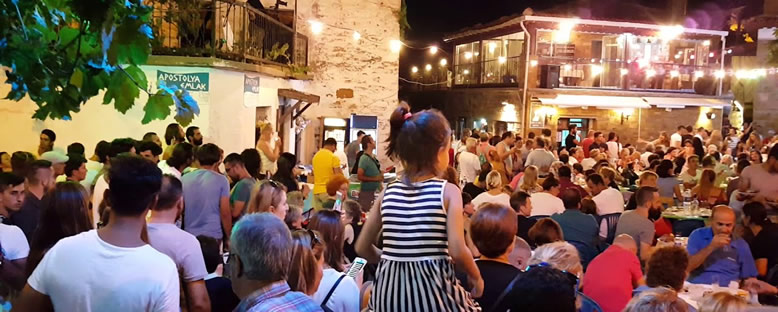
Across the island, 7 churches are still open for worship. Historically, there are said to have been around 360 chapels and monasteries; most are unfortunately in ruins. But the ones that remain are well-maintained and open to visitors.
Here's a practical tip for church visits: most church doors are open, but some may be locked. If so, stop by the village coffeehouse and ask — someone will usually bring the key. No one finds it strange; in fact, they're happy to help.
- Evangelismos Theotoku (Tepeköy, 1832) – The center of the Panayır, the largest and most active church
- Hagia Marina (Dereköy) – Restored, small but impressive interior
- Koimesis Tis Theotokos (Dereköy) – Icons partially returned, walls tell stories
- Aya Panayia (Çınarlı/Center, 1835) – The most accessible church in the center
By the way, the return of 12 historic icons to Patriarch Bartholomew after 14 years was a significant milestone for preserving the island's cultural heritage.
Living Culture: Tavernas, Panayır, and the Patriarch's House
Imbros's Greek heritage isn't something for museums — it's still alive. In 1960, 5,487 Greeks lived on the island; today, year-round, a community of 300 to 600 remains. That may seem small, but these people are the pillars keeping the island's cultural fabric intact.
When it comes to food: Gökçeada's local flavors owe a special place to Greek cuisine. At Angelikis Taverna in Tepeköy, after tarama (fish roe dip) and pilaki (white bean stew), you must try Barba Yorgo's homemade wine. For more info on Tepeköy, check out our guide. In Eski Bademli, Dimitri Restaurant's goat cheese mezes are one of Bademli Village's best surprises. Mastic pudding and almond cookies are also must-tries.
Did you know Ecumenical Patriarch Bartholomew I was born in Zeytinliköy in 1940? His birthplace is open to visitors, and the Patriarch regularly visits the island. Zeytinliköy is a small, quiet village — finding this house is easy; everyone can give directions.
The Panayır of the Virgin Mary is celebrated annually on August 14–16 in Tepeköy and is the island's biggest cultural event. Imbrians from around the world return for this date. Orthodox liturgy, live music, sirtaki, and the sacrificial feast come together. Panayır night is the island's most vibrant, emotional moment — Greek, Turkish, music, dance, all together.
| Info | Details |
|---|---|
| Entry fee | Villages and churches are free; City Museum 10 TL |
| Transport | Car rental is most practical; limited municipal minibuses in summer |
| Center → Tepeköy | ~12 km |
| Center → Dereköy | ~8 km |
| Center → Zeytinliköy | ~7 km |
| Center → Kaleköy | ~5 km |
| Panayır date | Annually August 14–16, Tepeköy |
| Best time | Cultural experience: mid-August; Quiet visit: May–June, September–October |
| Tip | If a church is locked, ask for the key at the village coffeehouse |
Frequently Asked Questions
Are there still Greeks living in Gökçeada?
Yes. A Greek community of about 300–600 people continues to live on the island year-round. Check out this article for more on population changes in Gökçeada. The Greek-language school has reopened, a tangible sign of the community's hope for the future.
Is there an entry fee for Greek villages and churches?
Entry to the villages is completely free. Churches are generally free to visit as well. Some churches may be locked; you can ask villagers for the key. Gökçeada City Museum is open from 09:00 to 17:30 with a 10 TL entry fee.
When and where is the Panayır of the Virgin Mary celebrated?
It is celebrated annually on August 14–16 in Tepeköy. With Orthodox liturgy, a sacrificial feast, sirtaki dance, and live music, it is the island's largest cultural event. Early booking for accommodation is essential — Paleos İmroz in the village fills up quickly.
Is Patriarch Bartholomew from Gökçeada?
Yes. Ecumenical Patriarch Bartholomew I was born on February 29, 1940, in Zeytinliköy (Agios Theodoros). His birthplace is open to visitors, and the Patriarch regularly visits the island.
Can I reach the Greek villages without a car?
Distances between villages range from 5 to 15 km. Municipal minibuses run in summer but with limited frequency. The most practical way is to rent a car. Biking is also an option, but be prepared for hills.
📍 Kaleköy Limanı — Harita
📍 Bu Bölgedeki İşletmeler
🏪 Diğer İşletmeler
🏷️ Etiketler: